Memory Chip Prices Double as Makers Put Data Centres Ahead of PC and Phone Customers
Samsung, SK Hynix and Micron are steering supply to AI infrastructure buyers and locking in multi-year contracts, leaving consumer electronics makers to absorb higher costs, Nikkei reports.
By Nakoda News Desk
·2 min read
Prefer Nakoda News on Google
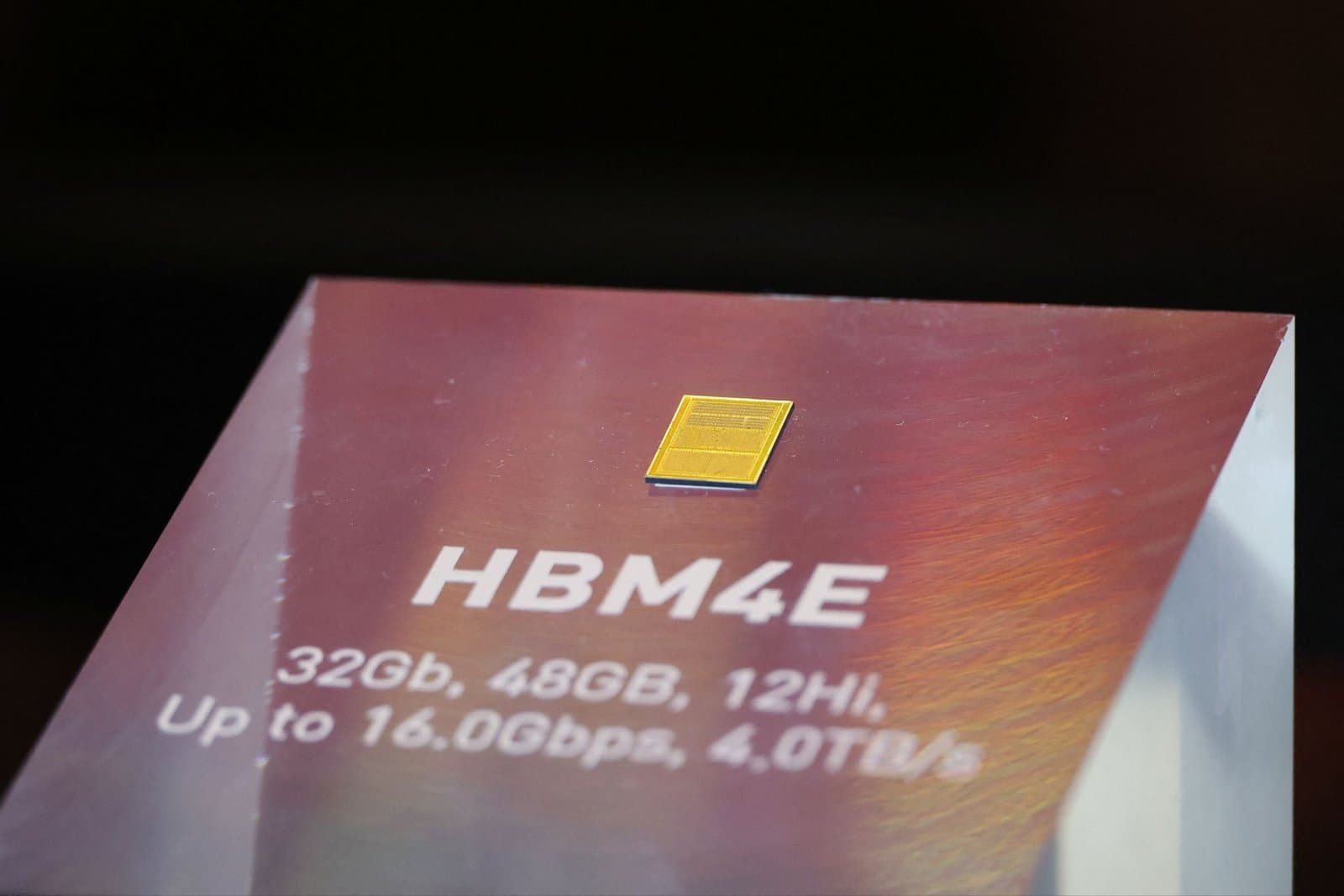
Memory chip prices have doubled over the past year as the world's dominant manufacturers steer supply towards data centres at the expense of companies that make personal computers and household electronics, Nikkei reported, according to Semafor.
Micron in the US and South Korea's Samsung Electronics and SK Hynix are giving priority to data centre customers as the AI infrastructure build-out absorbs more of their output, the report said. Buyers are responding by signing longer contracts. The two Korean companies are locking in five-year deals with dozens of clients, and Samsung wants to allocate up to 70% of its production capacity to such agreements, Semafor said, citing Nikkei.
"Overcapacity is currently disappearing like snow in the sun," Dutch bank ABN Amro said in a recent note to clients, quoted by Semafor.
Long-Term Contracts Spread
The shift to long-term agreements has been building for months. TrendForce reported in July that Samsung was targeting 60% to 70% of its capacity under long-term agreements, and that its key customers reportedly included Amazon Web Services, Microsoft and Google. On its third-quarter earnings call on October 29, Samsung said it had signed long-term contracts with 10 customers and was negotiating with 10 more, according to Korean and industry press reports of the call.
For the chipmakers, these contracts offer a guaranteed share of demand. For hyperscalers and AI labs, they give access to memory at prices that industry reports say are well below spot levels for high-bandwidth memory used in AI accelerators. Companies outside those agreements face a tighter market.
Pressure on Consumer Devices
The squeeze is already showing up in the results of device makers. Apple's shares fell before the bell on Tuesday after it gave a weaker margin outlook and pointed to rising memory costs. TrendForce projected in September that contract prices for conventional DRAM would rise 10% to 15% quarter on quarter in the fourth quarter, and NAND flash prices 15% to 20%, with PC and smartphone demand comparatively weak because of higher component costs.
The shortage is also shaping the AI chip race itself. Huawei has told some customers to source high-bandwidth memory for its AI chips themselves, according to a report this week, because domestic supply is short and US rules block it from buying from Samsung and SK Hynix.
Why It Matters
Memory has become one of the main bottlenecks in the AI supply chain, alongside power, advanced packaging and leading-edge logic chips. When supply is committed years ahead to a small group of very large buyers, smaller cloud providers, sovereign AI projects and device makers have less room to negotiate on price or volume.
That matters in the Gulf, where governments and state-backed companies in the UAE and Saudi Arabia are building large data centre campuses and buying accelerators at scale. Projects that have not secured memory through multi-year agreements may face higher costs or longer lead times.
The manufacturers have not said when they expect supply to catch up with demand. The move to five-year contracts suggests both sides expect the tightness to last well beyond the next year.
Sources
- Semafor · Chip prices soar as makers prioritize data centers
- TrendForce · Samsung Targets 60-70% Capacity Under LTAs, Five Key Customers Reportedly Include AWS, Microsoft, Google
- SammyFans · Samsung expands long-term memory agreements to 20 clients
Produced with AI assistance from the sources above. How we work
By
Nakoda News Desk
Nakoda News covers AI and business. Every story links the sources it draws on; how we work is set out in our editorial standards.
Related coverage
Markets Dubai Property Sales Reach Dh35 Billion in October as Rental Contracts Head for Record
5 hours ago · 2 min read
Markets Bank of England Raises Rates to 4% in First Increase Since 2023
6 hours ago · 3 min read
Markets Nikkei Falls 1.8% as Advantest and Tokyo Electron Slump on US AI Spending Fears
6 hours ago · 2 min read
Markets Taiwan Stocks Fall 3.2% and Break Below 42,000 on US AI Regulation Fears
9 hours ago · 2 min read
- Markets

South Korean Defence Stocks Lose Nearly Two-Thirds of Peak Value as Drones Reshape Demand
9 hours ago · 2 min read