India Buys Crude From 43 Countries as UAE Becomes a Major Energy Supplier
India's top oil ministry official says the UAE now supplies 15 to 20 per cent of the country's energy imports, including a quarter of its LPG.
By Nakoda News Desk
·2 min read
Prefer Nakoda News on Google
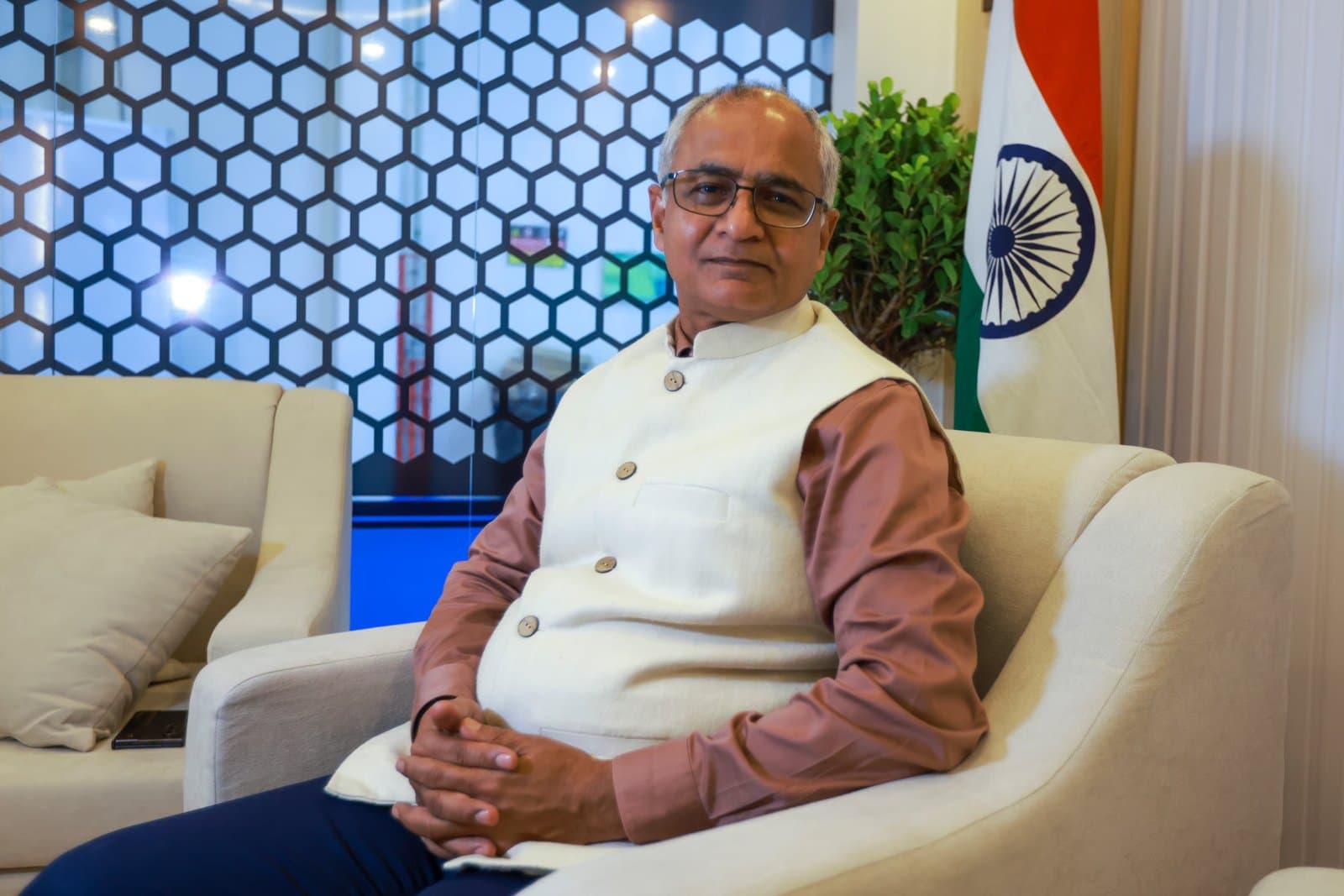
India now imports crude oil from about 43 countries and counts the UAE among its largest energy suppliers, after the effective closure of the Strait of Hormuz pushed the world's third-largest oil consumer to look further afield for supply, according to the senior civil servant at its oil ministry.
Neeraj Mittal, Secretary of India's Ministry of Petroleum and Natural Gas, told The National in an interview that the UAE provides about 15 to 20 per cent of India's total energy imports. By his figures, that includes about 25 per cent of its liquefied petroleum gas, 10 per cent of its liquefied natural gas and 15 per cent of its crude oil.
For the UAE, the figures show the war has made it a larger supplier to one of the few big economies where energy demand is still rising. India depends on imports for more than 90 per cent of its crude, up from 55 per cent in the 1999 fiscal year, consultancy EY said in a June report. Its buying decisions carry weight for Gulf producers trying to keep their oil and gas reaching customers.
"In the recent times and even during the crisis, I think UAE has been a great partner, and we have supplies of LPG, LNG, crude, all of them really in a reliable manner from UAE," Mittal said. "Definitely, the UAE has become a major supplier."
Shipping through the Strait of Hormuz, which carried about a fifth of the world's oil and gas before the war, has been heavily disrupted since the Iran war began on February 28. Mittal said Russia is still India's largest oil supplier, but the country has also started buying from places such as Venezuela and has sharply increased purchases from the United States. American cargoes now make up 67 per cent of India's imported LPG, he said, compared with 10 per cent at the start of the year.
Mittal said the policy of spreading supply across many countries had kept Indian fuel prices in check. By his account, prices in India have risen only 7 per cent from before the crisis, with no shortages or rationing, while many other countries have seen demand fall as prices climbed. He said volatility worried him more than the price level. "Any economy can handle very easily stable prices and plan your future," he said.
Oil prices have risen sharply since the war began, and Brent crude briefly reached $126 a barrel in April at the height of the conflict, raising import bills for countries such as India.
The two governments have also been building closer energy links beyond spot cargoes. When Indian Prime Minister Narendra Modi visited the UAE in May, ADNOC signed an agreement with Indian Strategic Petroleum Reserves to expand its crude storage capacity in India to 30 million barrels, with a possible further storage opportunity in Fujairah.
Mittal said the war had shown the risk of relying on a single region or fuel. "Risk resilience can only grow when you have dependable partners across the world. And UAE is one of the top partners in that effort," he said.
India is also trying to produce more at home. In July it launched a $9 billion programme for ultra-deep and deep-water oil exploration, along with a $2.5 billion scheme to turn waste into biogas, which Mittal said were meant to strike a better balance between imports and self-reliance.
Sources
- The National · India expands crude imports with UAE emerging as a major supplier
Produced with AI assistance from the sources above. How we work
By
Nakoda News Desk
Nakoda News covers AI and business. Every story links the sources it draws on; how we work is set out in our editorial standards.
Related coverage
- Business

Condor Launches Daily Frankfurt to Abu Dhabi Flights Under Etihad Codeshare
3 hours ago · 1 min read
Business Construction Robotics Start-Ups Raise $1.6 Billion in 2026, Triple the Previous Record
4 hours ago · 3 min read
- Business

Dubai Access Club Offers Repeat Tourists a Five-Year Visa for Dh4,032.50
6 hours ago · 2 min read
Business UAE Central Bank Gives Interpolitan Money In-Principle Approval for Stored Value Licence
8 hours ago · 2 min read
Business Dubai Land Department Launches Rent Now, Pay Later Instalments With Emirates NBD
9 hours ago · 2 min read