IEC Telecom Tests L-Band Backup With Space42 as Offshore Energy Sites Adopt AI
At ADIPEC, executives from IEC Telecom and Future Pipe Industries said AI in oil and gas now depends on networks that switch over without interruption and on local supply chains.
By Nakoda News Desk
·2 min read
Prefer Nakoda News on Google
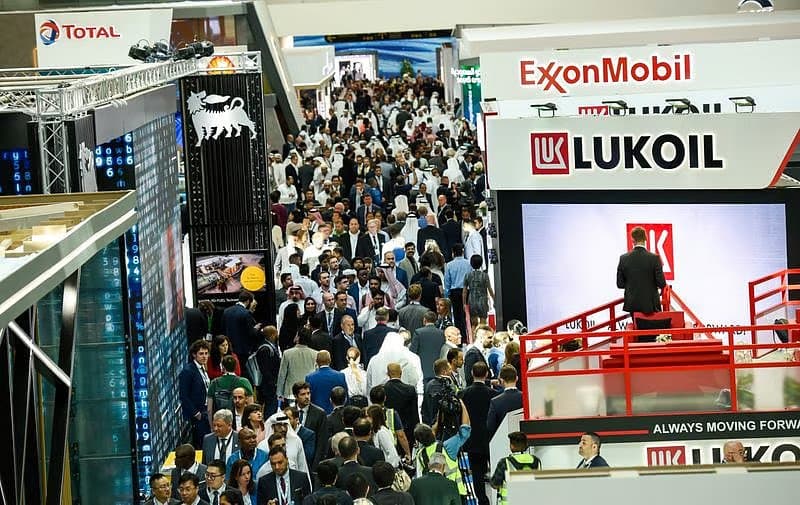
IEC Telecom, a satellite communications provider, says it is working with Space42 on an L-band backup service that is being tested with offshore energy customers, Gulf News reported from ADIPEC in Abu Dhabi. The executives Gulf News spoke to argued that the next stage of AI in oil and gas depends less on the algorithms than on the networks and supply chains that support them.
Alaa Alsadi, Group VP, Energy and COO Middle East at IEC Telecom, told Gulf News that the oil and gas industry has mostly finished digitalising and is now adopting AI applications that rely on real-time monitoring and supervision of offshore sites, including oil fields, platforms and accommodation barges. As the UAE rolls out AI, digital services and digital oil fields, he said, connectivity becomes mandatory, both as the main link and as a backup to keep the business running. He expects demand for these services to grow soon.
According to Alsadi, operators increasingly run satellite, 4G and 5G links together in hybrid setups. A single central software system manages the links and automatically moves critical traffic to another one if the main connection weakens. The aim is to keep key applications running on offshore platforms and barges without anyone stepping in, and to shorten any disruption.
The L-band service offers speeds of up to 1 Mbps. Gulf News noted that this is modest by modern standards, but the service is meant for essential applications rather than everyday use. The report cited a projection that the UAE's digital oilfield market will reach USD 1.21 billion by 2030.
The Manufacturing View
Omar Al Busaidy, President for the UAE and Oman at Future Pipe Industries (FPI), made a similar argument for manufacturing. "AI should not replace industrial knowledge; it should amplify it," he said. He told Gulf News that AI, automation and better use of data can help experienced teams make decisions faster, make production more reliable, use resources more efficiently and build resilience into critical infrastructure.
Al Busaidy cited FPI's National In-Country Value (ICV) score of 55.54%, its manufacturing sites in Dubai and Abu Dhabi and its investment in Industry 4.0. He said solar power covers about 40% of the energy needs of the company's Dubai factory.
Why It Matters
The comments followed a theme set at ADIPEC by Dr Sultan Al Jaber. He said the world has been asking what energy can do for AI since ChatGPT arrived, and that the question is now what AI can do for energy. The two companies sit at different points in the value chain, but both said AI in energy depends on resilient systems: networks that fail over without interruption, and domestic suppliers that can keep infrastructure running.
Both executives linked this to the UAE's drive to build local capability and consistent operations in its energy sector, and said that drive will increase demand for the kind of services their companies sell. For operators planning offshore AI deployments, their argument means connectivity and supply-chain capacity have to be planned alongside the software itself.
Sources
- Gulf News · AI’s next test in energy is resilience, industry leaders said at ADIPEC
Produced with AI assistance from the sources above. How we work
By
Nakoda News Desk
Nakoda News covers AI and business. Every story links the sources it draws on; how we work is set out in our editorial standards.
Related coverage
AI ABB Robotics and Nvidia Plan Physical AI Certificate Built Around Simulation
3 hours ago · 1 min read
- AI
Creator of AI Fake-ID Site OnlyFake Speaks Out After US Sentence and Deportation
3 hours ago · 3 min read
AI Researcher Says Anthropic Left Claude Dispatch Flaw Unfixed Despite Remote Code Risk
4 hours ago · 3 min read
- AI
Moonshot AI Sought Nvidia Blackwell Capacity in European Data Centres, CNBC Says
4 hours ago · 3 min read
AI Visa Study Finds 72% of UAE Shoppers Used AI on Their Latest Purchase
4 hours ago · 2 min read