Gulfood Manufacturing Opens in Dubai With Automation and AI Pitched for Food Security
The 12th edition brings 2,500 exhibitors from 79 countries to Dubai World Trade Centre, where suppliers say AI and robotics can cut waste, labour needs and energy use on factory lines.
By Nakoda News Desk
·3 min read
Prefer Nakoda News on Google
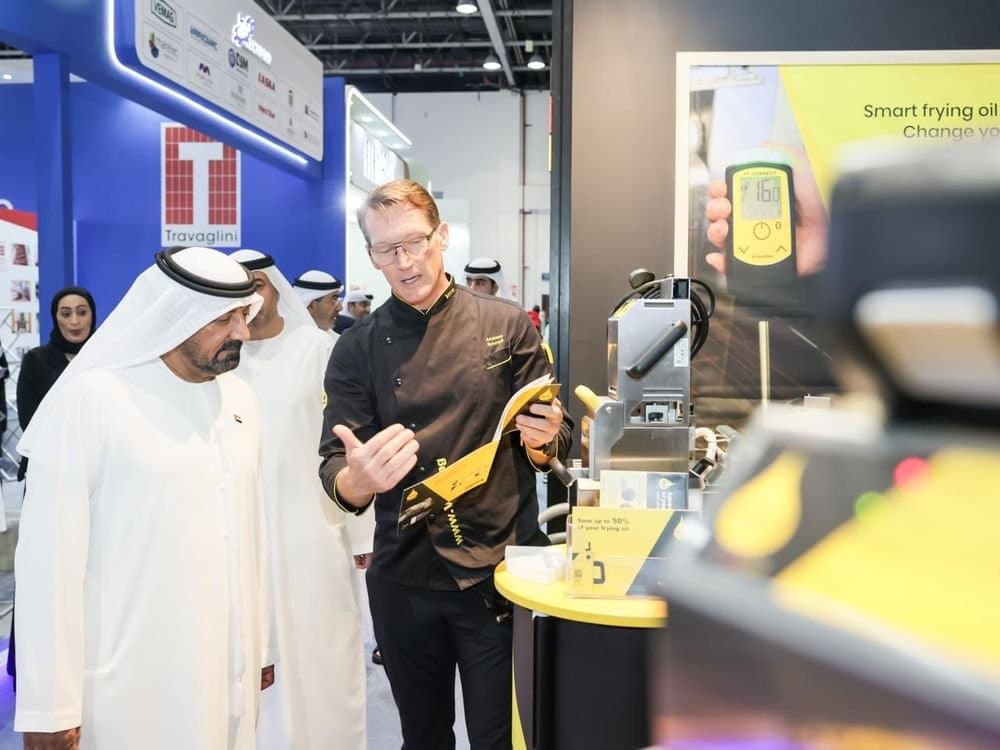
Gulfood Manufacturing 2026 opened in Dubai on Tuesday, and exhibitors pitched automation, robotics and artificial intelligence as tools for local food production at a time when Gulf governments are focused on supply chain resilience.
Sheikh Ahmed bin Saeed Al Maktoum, president of the Dubai Civil Aviation Authority and chairman and chief executive of Emirates Airline and Group, opened the show, according to the Emirates News Agency (WAM). The 12th edition runs from 3 to 5 November at Dubai World Trade Centre under the theme "Powering Food Security Through Manufacturing Innovation". It is held alongside ISM Middle East, GulfHost and Private Label Middle East. WAM said the four shows together fill 21 halls and bring 2,500 exhibitors from 79 countries, with Argentina, Mauritania, the Philippines, San Marino and Slovakia taking part for the first time.
Exhibitors include ADM International, Bühler Group, Bunge, Cargill, GEA, Givaudan, Krones, SIG Group, Tetra Pak and others.
Machines That Use Less
Several launches focused on efficiency. Ishida Middle East is showing its QX-500 tray sealer. WAM said it has a 46 per cent smaller footprint and uses 50 per cent less energy than earlier models. SACMI is showing a compression moulding system that it says produces up to 240,000 caps per hour, and a preform platform that combines integrated vision systems with automated robotic quality inspection. Bunge is presenting a chocolate alternative it says cuts costs by up to 70 per cent, and a butter substitute it says emits 82 per cent less CO2 than dairy butter.
Executives who spoke to WAM's Arabic service said AI is starting to change how food factories run. Rabie Rawand, regional sales manager for the Middle East and Africa at food processing equipment maker JBT Marel, said AI is improving research and development, automating production lines, reducing the need for labour in some operations and cutting waste. He said the company's global business is worth about $4 billion and that the Middle East and Africa account for a significant share. Its customers in the UAE include Emirates and Etihad.
Mayed Al Muaini, human resources director at UAE-based IFFCO Group, said the company is using AI to make manufacturing and resource use more efficient. He tied this to localising food production in support of the UAE's National Food Security Strategy 2051. IFFCO was founded in the UAE in 1975, has more than 80 brands and sells in more than 100 markets, he said.
Capital for the Intelligent Factory
One of the opening-day sessions was a roundtable titled "The Food Sovereignty Agenda: Capital and the Intelligent Factory", organised by Dubai's Department of Economy and Tourism. The panel included former Unilever chief executive Paul Polman, Volans executive chairman John Elkington and Ken Goldberg, a UC Berkeley professor and chief scientist at Ambi Robotics. It looked at who will pay for the next generation of factories and how countries can build domestic production capacity, WAM reported.
A FoodTech Summit, featuring Emirates Growth Fund chief executive Khalifa Al Hajeri, looked at localising the UAE's food supply chain. Representatives of Maersk, DHL Global Forwarding and DP World discussed how regional disruption has affected cross-border logistics and why sourcing needs to be diversified.
Why It Matters
For Gulf food producers and investors, the exhibition shows how the region's food security goals are becoming orders for manufacturing technology. Equipment makers now sell automation and AI on energy savings, smaller footprints and less dependence on labour. Speakers also linked localisation to recent disruption to trade routes.
Sources
- Emirates News Agency · Food manufacturing leaders gather in Dubai for Gulfood Manufacturing 2026
- وكالة أنباء الإمارات · الذكاء الاصطناعي والأتمتة يعززان كفاءة الإنتاج والأمن الغذائي في جلفود للتصنيع
Produced with AI assistance from the sources above. How we work
By
Nakoda News Desk
Nakoda News covers AI and business. Every story links the sources it draws on; how we work is set out in our editorial standards.
Related coverage
- Business
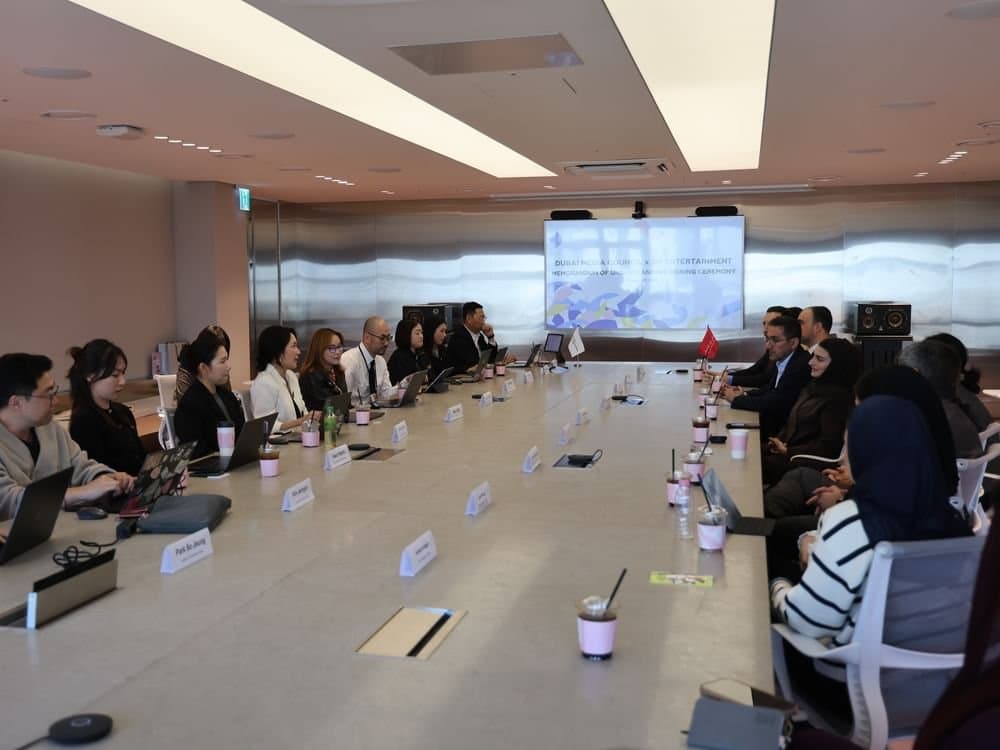
Dubai Media Council Signs Deals With SM Entertainment and Gaming Firm NEXUS in Seoul
1 hour ago · 2 min read
Business Al Fardan Chief Says Agentic AI Banking Platform Is in Final Security Checks
3 hours ago · 2 min read
- Business

Crew Internet on Offshore Platforms Opens New Cyber Risks for UAE Energy Operators
3 hours ago · 2 min read
- Business
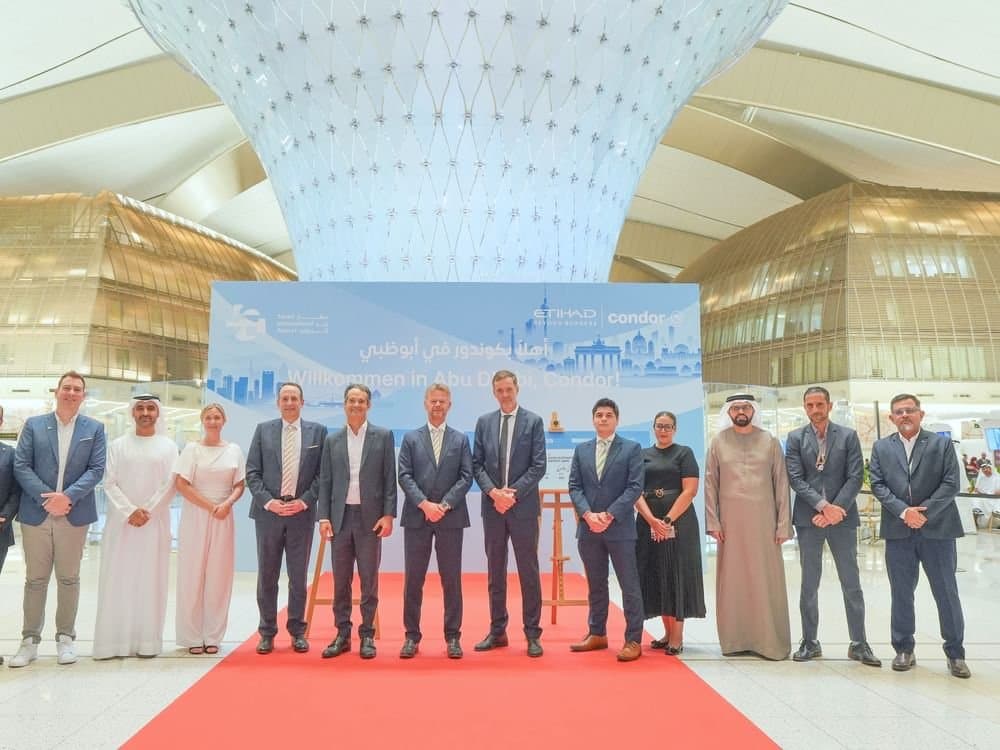
Condor Launches Daily Frankfurt to Abu Dhabi Flights Under Etihad Codeshare
4 hours ago · 1 min read
Business Construction Robotics Start-Ups Raise $1.6 Billion in 2026, Triple the Previous Record
5 hours ago · 3 min read