Ducab Chief Says Geopolitical Tensions Leave the World Short of Energy
Speaking at ADIPEC, Charles Edouard Mellagui said rising raw-material costs could reach consumers' bills, and that the UAE cable maker kept its factories running by buying more than 40 per cent of its inputs locally.
By Nakoda News Desk
·2 min read
Prefer Nakoda News on Google
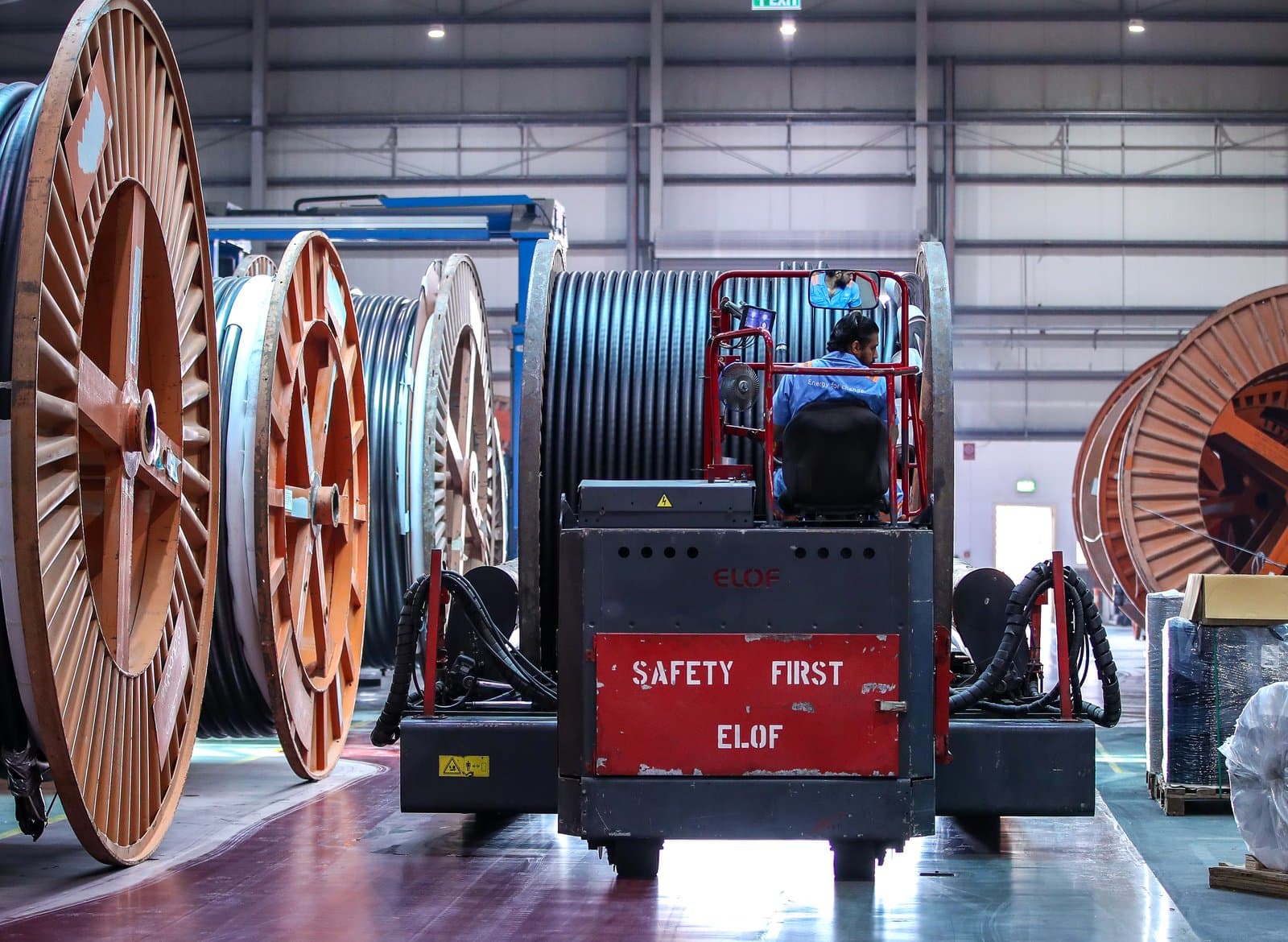
The chief executive of UAE cable maker Ducab has warned that geopolitical conflict is straining the world's energy system and that higher raw-material costs could eventually show up in household bills, according to an interview with The National at ADIPEC 2026 in Abu Dhabi.
Charles Edouard Mellagui said oil and gas alone would not meet growing demand, and that countries would need to add solar, wind, nuclear and battery storage. "Given the geopolitical situation and crisis worldwide, there is not enough energy for the eight billion people in the world," he told the newspaper. He said tensions had made the problem worse and were pushing countries to seek energy sovereignty, though he believed the UAE was well prepared.
On costs, he said consumers would first feel the effect through their bills, because rising prices for raw materials would eventually feed through to final prices.
Keeping Production Going
Mellagui said Ducab had continued to make cables for homes, businesses and major infrastructure despite disruption to international trade, and had not closed its operations for a single day. He credited government support and the availability of ports, roads, trucks and rail for allowing the company to keep importing materials.
Ducab buys more than 40 per cent of its raw materials locally, according to The National. Mellagui said local suppliers had become more important when imports were difficult, adding that what matters in those conditions is a country's ability to produce at home. He said the company would still need international suppliers and that local manufacturing was only one part of securing supply.
His comments came days after ADNOC said on Sunday it would offer more than Dh60 billion ($16 billion) in local manufacturing opportunities through 2030, covering electrical and automation systems, pumps, chemicals, piping and other equipment. ADNOC said making more of these goods in the UAE would shorten delivery times and reduce exposure to global supply disruptions. Mellagui said demand from large buyers could help strengthen local manufacturers.
AI Demand and Efficiency
New housing, industrial projects and AI data centres are all adding to demand for electricity and for the cables that carry it, The National reported. Ducab has supplied cables to UAE projects including the Al Dhafra Solar Project, the Mohammed bin Rashid Al Maktoum Solar Park and the Barakah nuclear plant, and Mellagui said it is developing cable designs intended to reduce power losses.
He argued that AI, after consuming large amounts of energy, is now helping energy companies become more efficient. "AI is paying the bill back," he said.
The remarks add to a theme running through this year's ADIPEC, where energy executives have focused on grids, supply chains and the power needs of AI computing. For UAE businesses, Ducab's experience points to the value of local supply chains when shipping routes and imports are disrupted, and to cost pressures that may yet pass through to customers.
Sources
- The National · ‘Not enough energy’ for the world due to geopolitical tensions, says Ducab chief
Produced with AI assistance from the sources above. How we work
By
Nakoda News Desk
Nakoda News covers AI and business. Every story links the sources it draws on; how we work is set out in our editorial standards.
Related coverage
- Business
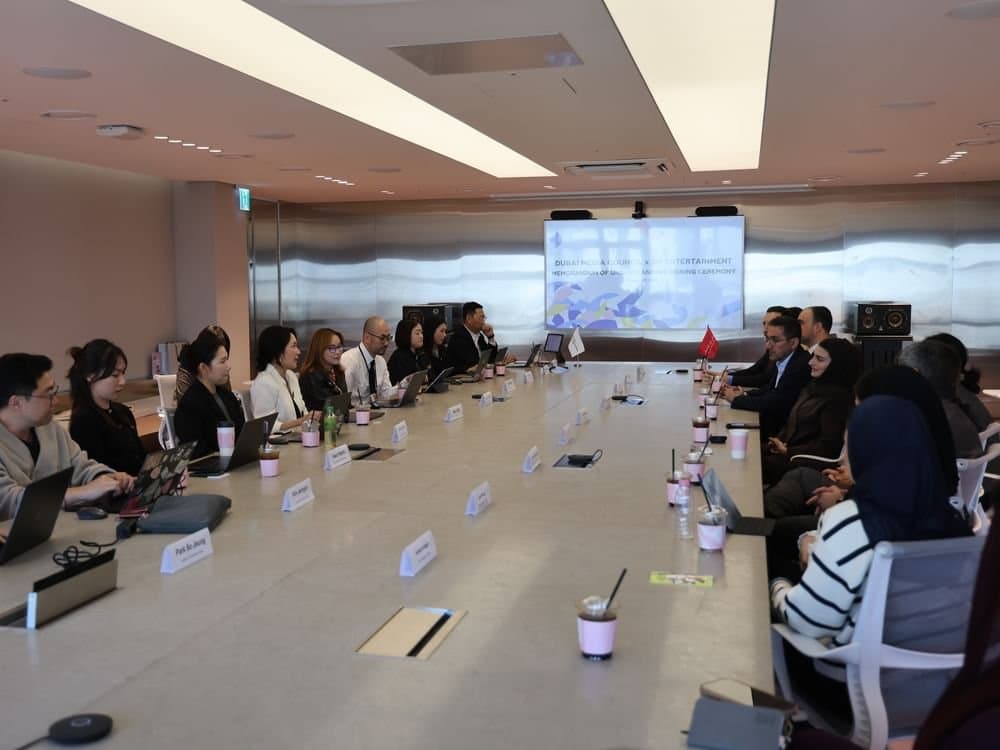
Dubai Media Council Signs Deals With SM Entertainment and Gaming Firm NEXUS in Seoul
1 hour ago · 2 min read
Business Al Fardan Chief Says Agentic AI Banking Platform Is in Final Security Checks
3 hours ago · 2 min read
- Business
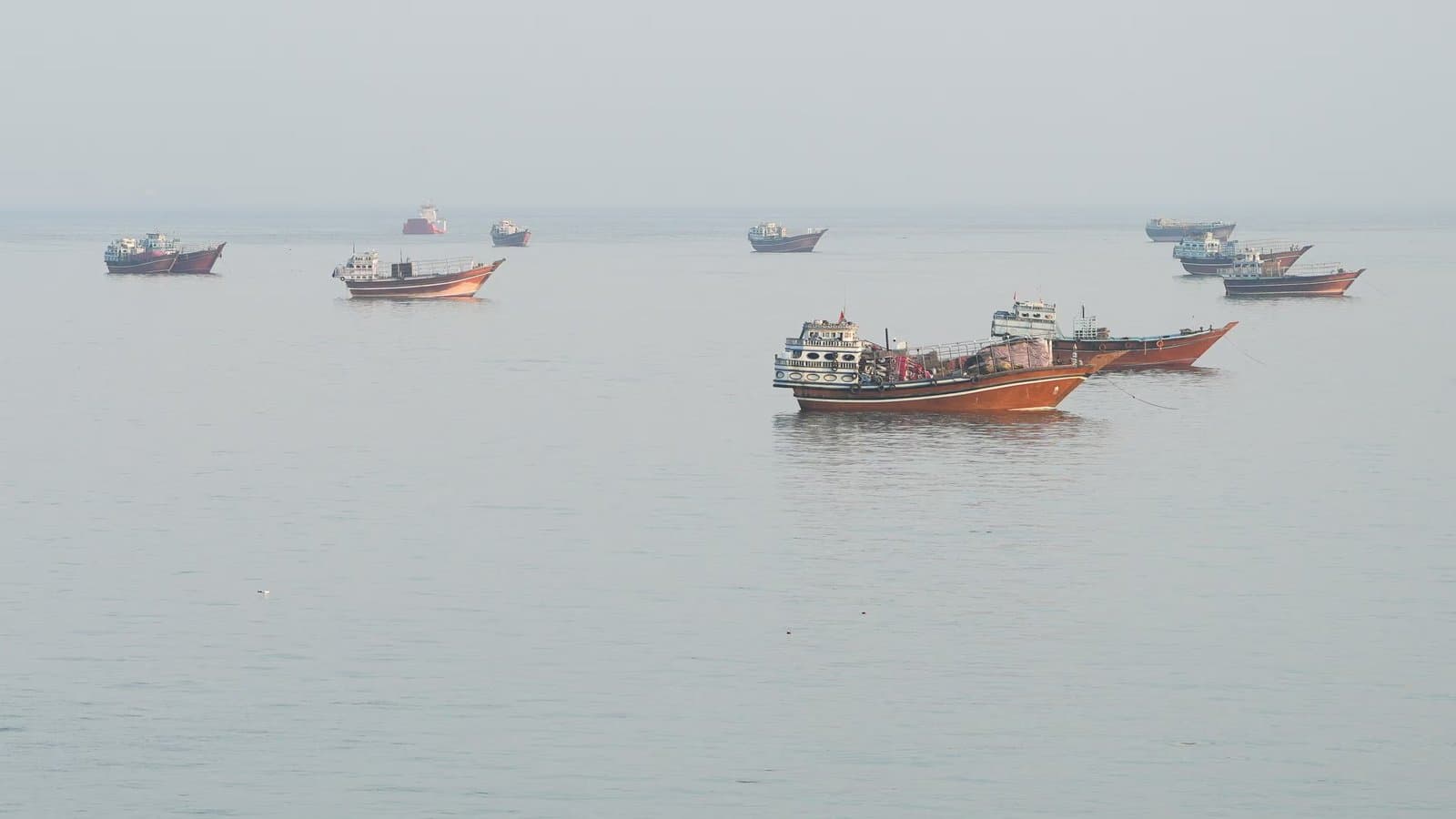
Crew Internet on Offshore Platforms Opens New Cyber Risks for UAE Energy Operators
3 hours ago · 2 min read
- Business
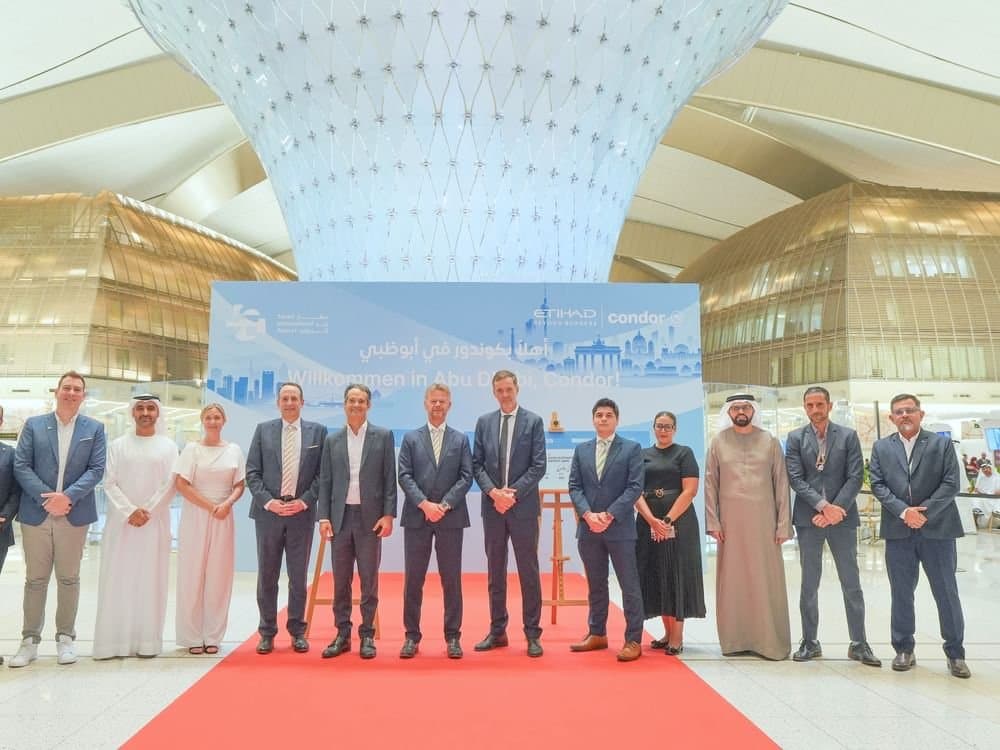
Condor Launches Daily Frankfurt to Abu Dhabi Flights Under Etihad Codeshare
4 hours ago · 1 min read
Business Construction Robotics Start-Ups Raise $1.6 Billion in 2026, Triple the Previous Record
5 hours ago · 3 min read