Congress Eyes Defense Bill to Lock In AI Chip Curbs on China After Nvidia's Huang Quits
Republicans want the curbs in the must-pass defense bill, and a stalled measure targeting Chinese firms that rent Nvidia hardware in overseas data centres is back in play.
·2 min read
Prefer Nakoda News on Google
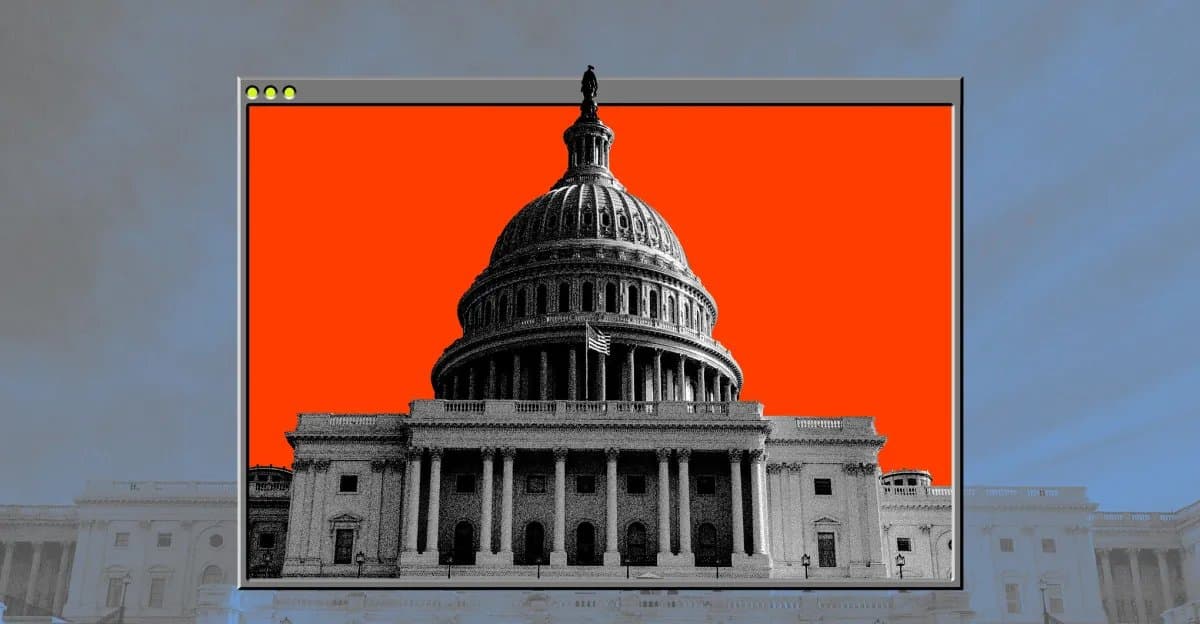
Lawmakers from both parties are pushing to tighten US controls on advanced AI chip exports to China after Jensen Huang resigned as Nvidia chief executive on November 12, The Verge reported on Sunday. Congressional Republicans want to attach the restrictions to the annual defense authorization bill, and one revived measure would give the Commerce Department tools to stop Chinese companies from renting Nvidia computing in data centres outside China.
The push could turn the scandal into binding law. US export policy on Nvidia's processors has mostly been set by the executive branch, through Commerce Department licensing and President Donald Trump's decisions on which chips can be sold to Chinese buyers. Bills that would give Congress a firmer hand have been introduced repeatedly but have stalled.
House Speaker Mike Johnson said on Thursday that he favoured limiting China's access to advanced technology and that there was "a developing consensus in Congress" on the issue, Reuters reported. He told reporters that export controls had "been a big issue around here."
Republicans are looking to the fiscal 2027 National Defense Authorization Act, a must-pass bill that usually wins support from both parties, according to Reuters, which cited a Senate aide. At least four measures are in play. The AI Overwatch Act would give Congress more say over exports of advanced AI chips. The Chip Security Act would require companies to track where advanced AI processors end up, to deter smuggling. The MATCH Act would press US allies to restrict sales and servicing of chipmaking equipment bound for China.
The fourth, the Remote Access Security Act, was first introduced in the House in April 2025 and stalled in the Senate. It has drawn renewed interest, The Verge reported. The bill would give the Commerce Department tools to stop Chinese companies from renting capacity in overseas data centres to reach Nvidia hardware. Chinese AI companies are already trying to rent Nvidia-powered computing outside China, Reuters has reported.
The Financial Times reported that Congress is moving to pass the tighter rules. No vote on chip language in the defense bill has been reported, and none of the measures has become law.
Huang stepped down on November 12 after revelations about his relationship with Alice Huang, a former executive at Singapore-based Megaspeed, an Nvidia partner that US authorities suspect of helping China obtain restricted chips. US officials suspect her of spying for Beijing, which denies it.
The pressure is also landing on the administration. Senate Minority Leader Chuck Schumer has said Huang and the Trump administration must answer to Congress. Senate Banking Committee chairman Tim Scott has written to Huang and Commerce Secretary Howard Lutnick asking both to testify publicly. Lutnick faces criticism from members of both parties over Commerce's refusal to add dozens of Chinese companies to the US trade blacklist, according to Reuters.
Treasury Secretary Scott Bessent said on Sunday that Trump had drawn a firm line against selling China any chip more advanced than Nvidia's H200, CNBC reported. Trump approved H200 sales to approved Chinese customers last December under an arrangement that gives the US government a 25% cut.
For Nvidia, new statutory limits would be harder to undo through lobbying than executive policy. China-linked sales are already a pressure point for investors before the company reports quarterly results on November 17. The next test is whether the chip provisions survive negotiations between the House and Senate over the final defense bill.
By
Nakoda News Policy Desk
Regulation, government strategy and the rules taking shape for AI and technology.
Related coverage
Policy Dubai Petroleum Trading Committee Targets 2027 for Digital Permits, With Violations to Be Issued From Second Quarter
6 hours ago · 2 min read
- Policy

UAE Eyes Mandatory Health Screening Tied to Insurance as Diabetes Costs Dh9 Billion a Year
9 hours ago · 2 min read
- Policy

Dubai Judicial Expertise Centre to Adopt AI as Rental Appeal Rulings Fall to 23 Days
10 hours ago · 2 min read
Policy Yemen Government Forces Quit Area Near Bab Al Mandab, Leaving Houthis in Control
11 hours ago · 2 min read
- Policy

Bahrain Issues Nationwide Threat Alert as Iran Claims Drone Strikes on US Bases
14 hours ago · 2 min read