China's Singles Day Tests Whether AI Shopping Agents Can Lift Spending
JD.com says its shopping assistant drew nearly 80 million users and Alibaba is selling AI tokens, yet one tracker puts festival sales growth at just 2.4%.
By Nakoda News Desk
·3 min read
Prefer Nakoda News on Google
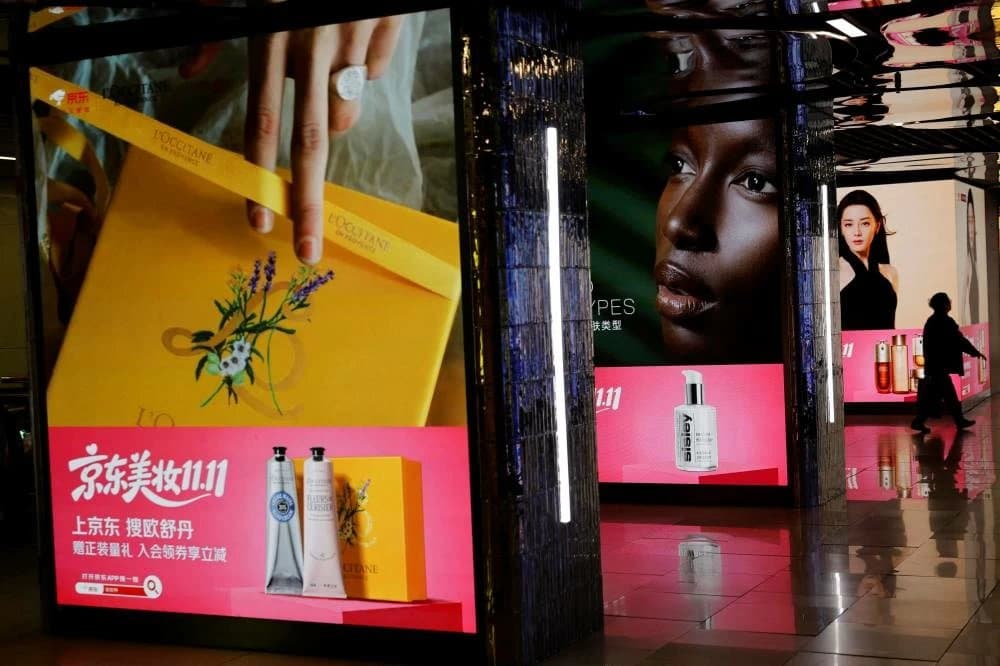
China's biggest e-commerce platforms are using this year's Singles Day festival, which culminates on November 11, to test how far artificial intelligence can push consumers to buy. Alibaba, JD.com, PDD Holdings and Douyin have rolled out chatbots that suggest products, compare deals and send shoppers straight to checkout, while AI toys, companion robots and even packages of AI tokens are among the goods on promotion.
The early sales data shows why the platforms are looking for new levers. Third-party tracker Syntun put Singles Day sales up 2.4% between October 7 and October 31, according to Reuters, only slightly ahead of the 1.1% growth in China's retail sales for the year through September. Syntun was due to publish a figure for the full event on Thursday. For Chinese retailers and the global brands that sell through them, the festival is an early large-scale test of whether AI agents change how people shop, or simply move existing spending from one channel to another.
The platforms are reporting heavy use of their tools. JD.com said its AI shopping assistant, Dongdong, drew nearly 80 million users seeking advice for this year's festival, more than three times last year's figure. Alibaba's Tmall and Taobao marketplaces are offering AI research tools, virtual clothing try-ons and features that hunt for discounts.
On Douyin, ByteDance's short-video and shopping app, AI drove about 5% of purchases through chatbot links in October, according to WPIC Marketing + Technologies, a consultancy that works with brands selling in Asia. For purchases that shoppers tend to research first, such as supplements, the share was above 20%. Jacob Cooke, WPIC's chief executive, described AI as "still a very new gateway and discovery channel" and said he expects it to grow, Reuters reported.
China's super apps give these agents an advantage over Western equivalents: within a single app they can research a product, buy it, apply coupons and schedule delivery without the user opening another service.
AI Itself on Sale
AI has also become something shoppers buy. Alibaba said AI toys had passed 100 million yuan ($15 million) in sales within a year of becoming a product category, and that sales of AI companion robots rose nearly fivefold year on year in the second half of October, without saying how many units were sold. On Tmall, sales of AI tokens rose more than 700% between October 15 and November 5 compared with the period from September 15 to October 5.
The most visible example came from Austin Li, China's top livestream seller, who sold 100,000 monthly subscriptions to Alibaba's QwenWork service within 30 minutes. Each membership included 20 million tokens, according to Finimize. Packaging compute credits as a consumer impulse buy is new for a festival historically dominated by cosmetics, electronics and clothing.
Risks for Brands
Not every seller stands to gain. Ben Cavender, a director at China Market Research Group, told Reuters that some brands could win or lose depending on how the platforms tune their assistants and how brands price their products. If AI assistants do the choosing rather than shoppers scrolling through search results, brands that once paid for visibility could find themselves left out of the recommendations.
For shoppers, the appeal is practical. Amanda Gao, a 40-year-old office worker in Beijing, told Reuters she uses Taobao's virtual try-on for clothes and finds it "useful and fun".
Overall growth still looks muted. Bloomberg Intelligence has projected that gross merchandise volume for the festival will rise 4.4% to 1.77 trillion yuan, the slowest pace since 2023, largely because consumer subsidies are returning to normal levels. The Syntun and Bloomberg Intelligence figures measure different periods and are not directly comparable. Syntun's full-event tally, due on Thursday, will be the first comprehensive read on whether the AI push lifted spending or mainly changed where it happens.
Sources
- Emirates 24|7 · China's Singles Day shopping festival puts AI selling power to the test
- Free Malaysia Today (Reuters) · China's Singles Day shopping festival puts AI selling power to the test
- Finimize · Singles Day Is Turning AI Chatbots Into Shopping Agents
Produced with AI assistance from the sources above. How we work
By
Nakoda News Desk
Nakoda News covers AI and business. Every story links the sources it draws on; how we work is set out in our editorial standards.
Related coverage
- AI
Grok Build Share Links Exposed Users' Confidential Data, Researchers Say
10 hours ago · 2 min read
AI Musk Says Grok 4.8 Is 'Not as Good' as Anthropic's Claude Opus 5.5
11 hours ago · 1 min read
AI Helsing to Launch AI Targeting Software in Berlin as a European Rival to Palantir
11 hours ago · 1 min read
AI Banks Move to Rein In AI Agent Costs as Token Spending Climbs, McKinsey Says
15 hours ago · 2 min read
- AI

Dubai Educators Say Children's Reliance on AI Chatbots Is Already a Problem
16 hours ago · 3 min read