Amazon, Alphabet and Apple Jump as Analysts Say Data Centre Backlash Favours Big Clouds
Big Tech shares rose after the Democratic sweep. Voters rejected data centres in 40 of 41 local ballot measures, and analysts said tighter rules hurt smaller GPU clouds more.
By Nakoda News Desk
·3 min read
Prefer Nakoda News on Google
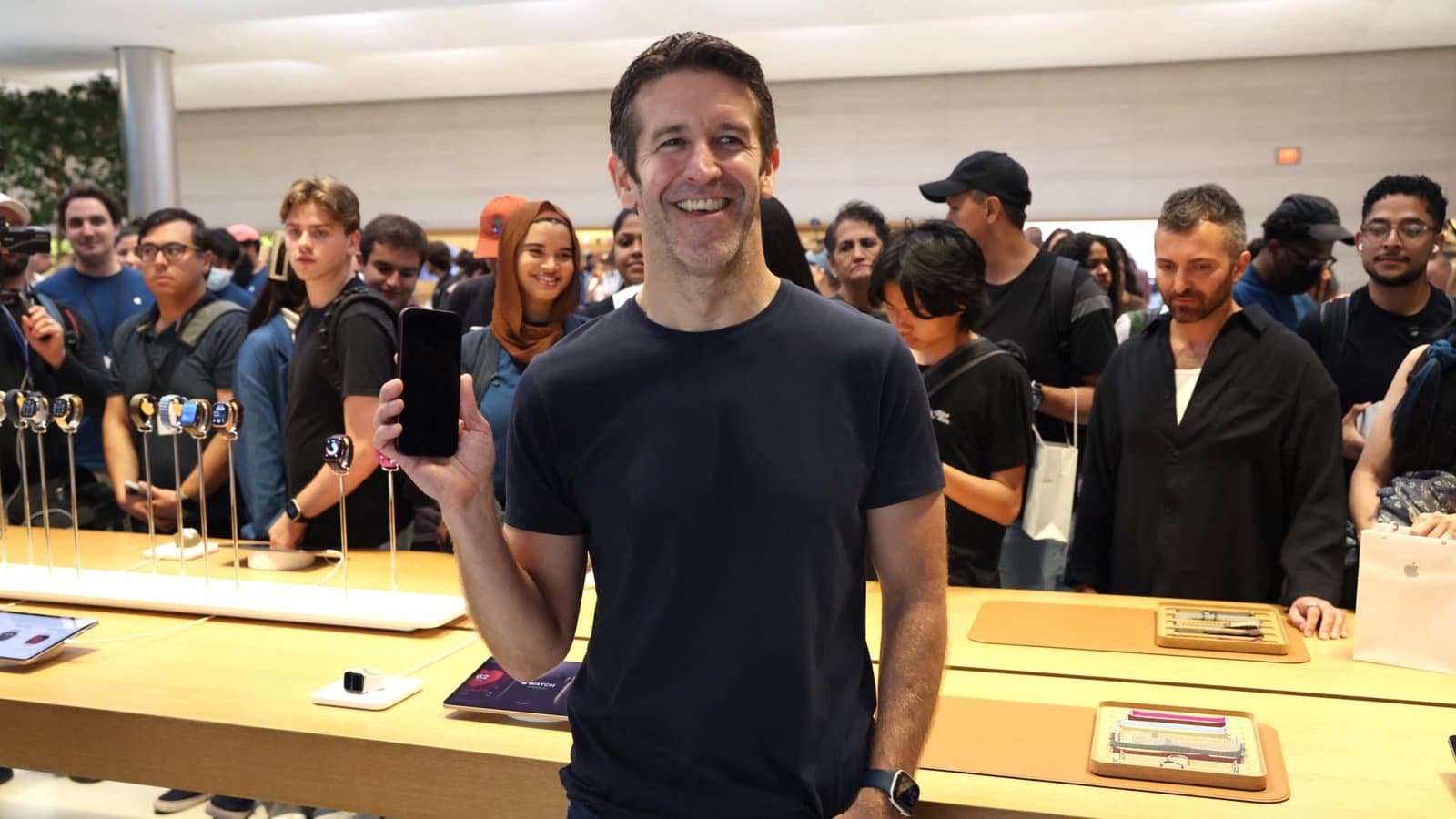
Shares of the largest US cloud providers rose sharply on Wednesday, the day after voters turned against data centres at the ballot box. Investors judged that the backlash will hurt smaller, debt-funded AI infrastructure companies more than it hurts the incumbents.
In Wednesday trading Amazon gained 8 per cent, Alphabet's Google rose more than 6 per cent, Microsoft added 4 per cent and Meta was up 3 per cent, CNBC reported. Apple, which had been exposed to President Trump's tariffs and recently received refunds, climbed nearly 7 per cent.
The rally sits awkwardly with the night's other big result. Data centre construction was one of the most contested local issues of the midterms. According to Ballotpedia, 41 local measures in 10 states would restrict data centre construction in some way. An analysis by Ballotpedia, with further results gathered by CNBC, found that voters sided against data centres in every one of them except in Harwood, North Dakota, where residents rejected a charter amendment that would have added review requirements for industrial projects. In a CNBC Voter Poll, 56 per cent of voters said data centres were a crucial or major factor in how they voted.
Analysts' explanation is that regulation favours whoever already has the land, power and balance sheet. "We believe higher regulatory barriers entrench incumbents, and increase risks (and raise required ROICs) for new entrants," Needham analyst Laura Martin wrote in a note. "Hyperscalers are AI incumbents."
Neoclouds Take the Hit
The pain fell on smaller AI cloud providers. CoreWeave shares fell 10 per cent, and Baird analysts said the results create a "sentiment headwind" for neoclouds. Nvidia, whose chips fill most of these facilities, slipped just over 1 per cent. Tesla fell 2 per cent and SpaceX 3 per cent, along with other stocks tied to Elon Musk, who spent heavily for Republicans this cycle.
Macquarie analyst Paul Golding said he remains bullish on AI infrastructure, but noted that much of the build-out is overseen at state level. "Recall that backup power emissions, zoning, water, interconnect/grid, and tax considerations are often overseen by state regulators," he wrote. He expects well-capitalised operators to gain if projects in some states slow down. "Neoclouds may pay more to lease powered shells for GPUaaS commitments (and pass on costs), while hyperscaler/AI lab capacity needs could intensify competition for even more limited supply," Golding wrote.
David Kelly, chief global strategist at JPMorgan Asset Management, told CNBC that a divided government would bring "moderation in growth, moderation in inflation, less uncertainty," which he said was helping the wider market.
Where the Moratorium Candidates Won
Democrats who proposed data centre moratoriums won governor's races in Texas, Georgia and Ohio. In Texas, which CNBC says is on track to become the world's largest data centre market by 2030, Gina Hinojosa unseated Governor Greg Abbott after blaming him for the speed of the build-out. In Ohio, Amy Acton defeated Vivek Ramaswamy. She supports a "conditional moratorium" that would require data centres to cover 100 per cent of utility costs and "exclusively build with union labor."
Ohio is home to the PORTS-Pike Technology Campus, where OpenAI said in August it had secured 8 gigawatts of computing capacity. SoftBank and SB Energy are developing the campus with the US Department of Energy, and the project could cost more than $500 billion in total.
Some local votes went further than a pause. Semafor reported that Edgewater, Florida, voted overwhelmingly to write a data centre ban into its city charter. Voters in Perry, Ohio, approved financial and operational conditions for hyperscalers seeking tax breaks.
The bull case for the big clouds assumes they keep funding capex at current levels. CNBC noted that Alphabet, Amazon and Meta have each turned cash-flow negative while spending hundreds of billions of dollars a year on AI infrastructure; Microsoft is the exception. Representative Greg Casar of Texas, who chairs the Congressional Progressive Caucus, has already called for AI chief executives to testify under oath once the new House majority is seated.
Sources
- CNBC · Hyperscalers and Apple surge after election results remove investor uncertainty
- CNBC · Voters rebuff data centers in every ballot measure except one during the 2026 midterms
- Semafor · US voters roundly reject data centers in ballot measures
Produced with AI assistance from the sources above. How we work
By
Nakoda News Desk
Nakoda News covers AI and business. Every story links the sources it draws on; how we work is set out in our editorial standards.
Related coverage
Markets Dubai Property Sales Reach Dh35 Billion in October as Rental Contracts Head for Record
5 hours ago · 2 min read
Markets Bank of England Raises Rates to 4% in First Increase Since 2023
6 hours ago · 3 min read
Markets Nikkei Falls 1.8% as Advantest and Tokyo Electron Slump on US AI Spending Fears
6 hours ago · 2 min read
Markets Taiwan Stocks Fall 3.2% and Break Below 42,000 on US AI Regulation Fears
9 hours ago · 2 min read
- Markets

South Korean Defence Stocks Lose Nearly Two-Thirds of Peak Value as Drones Reshape Demand
9 hours ago · 2 min read