ADNOC Gas Chief Says AI Data Centres Will Keep Long-Term Gas Demand Rising
Speaking at ADIPEC, Fatema Al Nuaimi pointed to SpaceX alone needing about 9.5 million tonnes of LNG, and called for more flexible gas contracts after the Hormuz disruption.
By Nakoda News Desk
·2 min read
Prefer Nakoda News on Google

The chief executive of ADNOC Gas said demand for natural gas will keep growing over the long term, driven partly by the electricity needed for artificial intelligence data centres, even as the conflict in the Gulf has disrupted global supply.
"Gas is going to continue to grow and demand is going to continue in the long-term," Fatema Al Nuaimi told the ADIPEC energy conference in Abu Dhabi on Tuesday, according to The National. She described AI as a new source of demand. "We have these new demand hubs from AI … about 9.5 million tonnes of LNG required just for SpaceX," she said.
She tied the point to the UAE's own plans. "We are an ambitious nation when it comes to building AI hubs to attract the biggest names in artificial intelligence and for this to be materialised, energy is required," she said. Abu Dhabi's projects include Stargate UAE, a 1-gigawatt facility being developed by G42 with OpenAI, Oracle and Nvidia. It will sit within the 5GW UAE-US AI Campus in Abu Dhabi.
Reuters, which also reported her remarks, said she called for more diversified energy.
Supply Shock and Long-Term Outlook
Her comments come as the LNG market deals with heavy disruption. Since the Middle East conflict began in February, shipping problems in the Strait of Hormuz have cut off about a fifth of the world's monthly LNG supply, Shell said in its latest LNG outlook. Some Asian buyers have been hit hard. Qatar's Ras Laffan, the world's largest LNG facility, was severely damaged by Iranian missile attacks, and QatarEnergy has declared long-term force majeure on contracts with buyers in China, South Korea, Italy and Belgium, The National reported.
Shell still expects global LNG demand to rise by about 65 per cent by 2050, to nearly 700 million tonnes a year, with new data centres among the main drivers.
Al Nuaimi said the disruption shows that the rigid terms of gas supply contracts need to change. "Contracts are very rigid, written with terms and conditions, and no matter how you craft them, they are not fit for different circumstances that face us in the market," she said. "So it's important for us to be flexible and to work together eventually."
ADNOC's LNG Push
On the same day, ADNOC Gas announced a five-year agreement to supply up to 1.6 million tonnes of LNG to France's TotalEnergies. The deal is part of a wider ADNOC effort to build a global LNG trading platform that combines the marketing operations of ADNOC Gas and investment arm XRG with ADNOC Trading's commercial capabilities. ADNOC Gas meets about 60 per cent of the UAE's sales gas needs and supplies customers in more than 20 countries.
For executives and investors following AI infrastructure, the remarks show how Gulf energy producers now present data centre power demand as a reason to keep investing in gas. Their case is that AI growth will need baseload power that renewables cannot yet provide alone. ADIPEC speakers including Eni's chief executive and former US energy envoy Amos Hochstein have made similar arguments this week, linking the region's AI plans directly to its energy strategy.
Sources
- The National · Long-term demand for LNG will continue to rise, Adnoc Gas CEO says
- Reuters · ADNOC Gas CEO says long-term gas demand to grow, calls for more diversified energy
Produced with AI assistance from the sources above. How we work
By
Nakoda News Desk
Nakoda News covers AI and business. Every story links the sources it draws on; how we work is set out in our editorial standards.
Related coverage
- Business
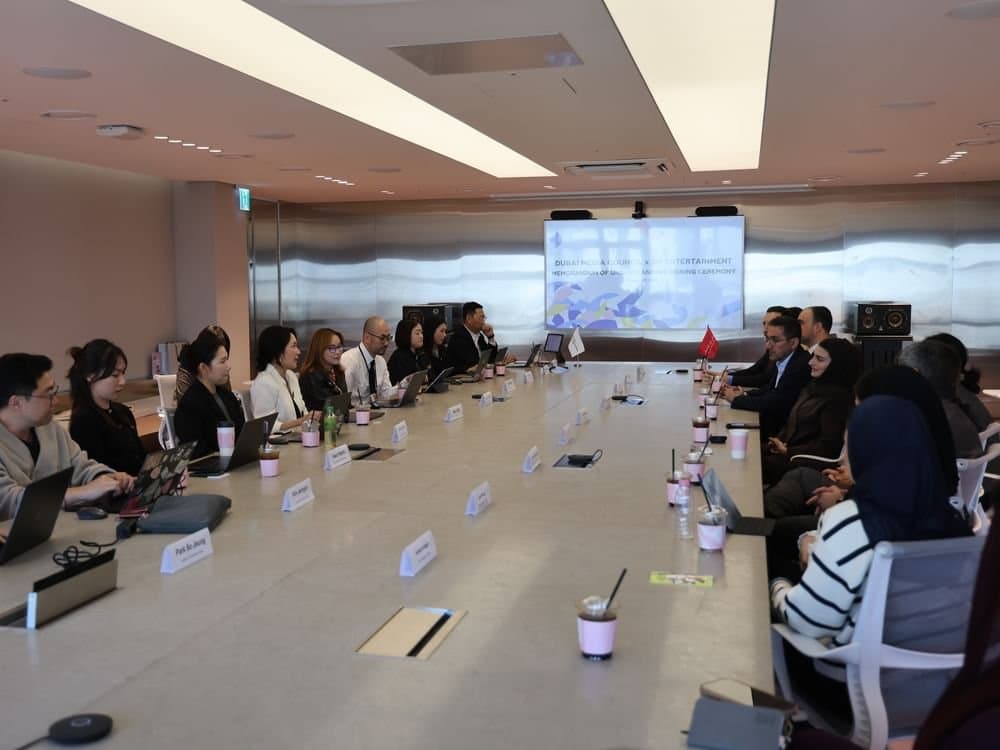
Dubai Media Council Signs Deals With SM Entertainment and Gaming Firm NEXUS in Seoul
1 hour ago · 2 min read
Business Al Fardan Chief Says Agentic AI Banking Platform Is in Final Security Checks
3 hours ago · 2 min read
- Business
Crew Internet on Offshore Platforms Opens New Cyber Risks for UAE Energy Operators
3 hours ago · 2 min read
- Business
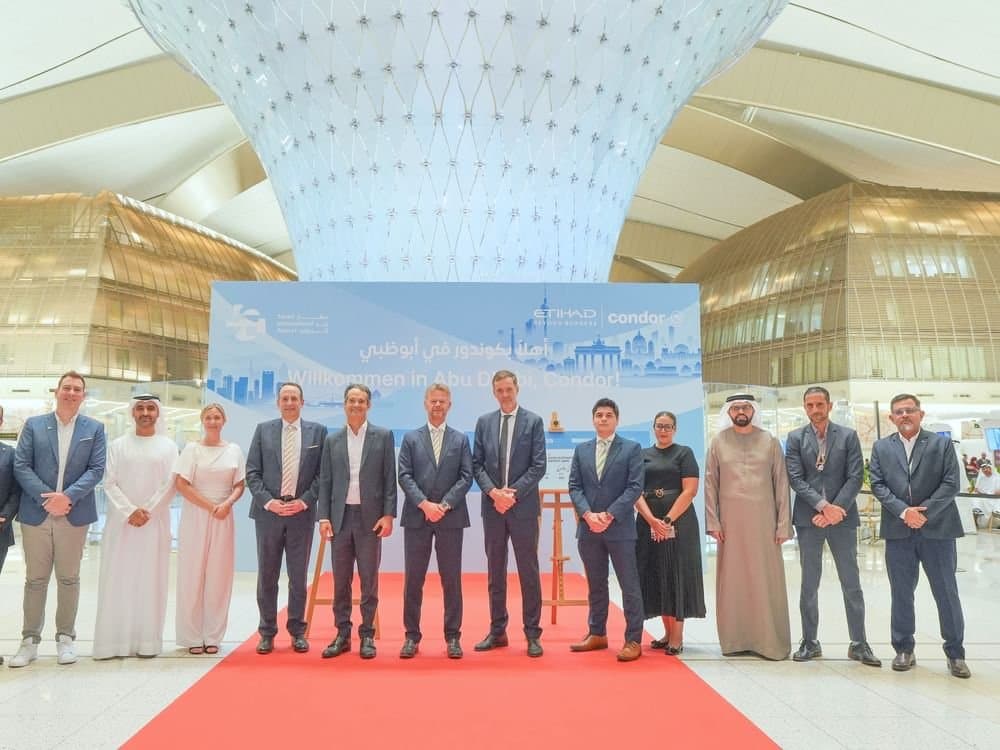
Condor Launches Daily Frankfurt to Abu Dhabi Flights Under Etihad Codeshare
4 hours ago · 1 min read
Business Construction Robotics Start-Ups Raise $1.6 Billion in 2026, Triple the Previous Record
5 hours ago · 3 min read