Abu Dhabi Opens Licensing for Energy Aggregators After Demand Response Pilot Cuts 401MW
The Department of Energy says its 2025 pilot more than doubled average peak-load reduction to 251MW, and it will now license private companies to run demand flexibility as a business.
By Nakoda News Desk
·2 min read
Prefer Nakoda News on Google
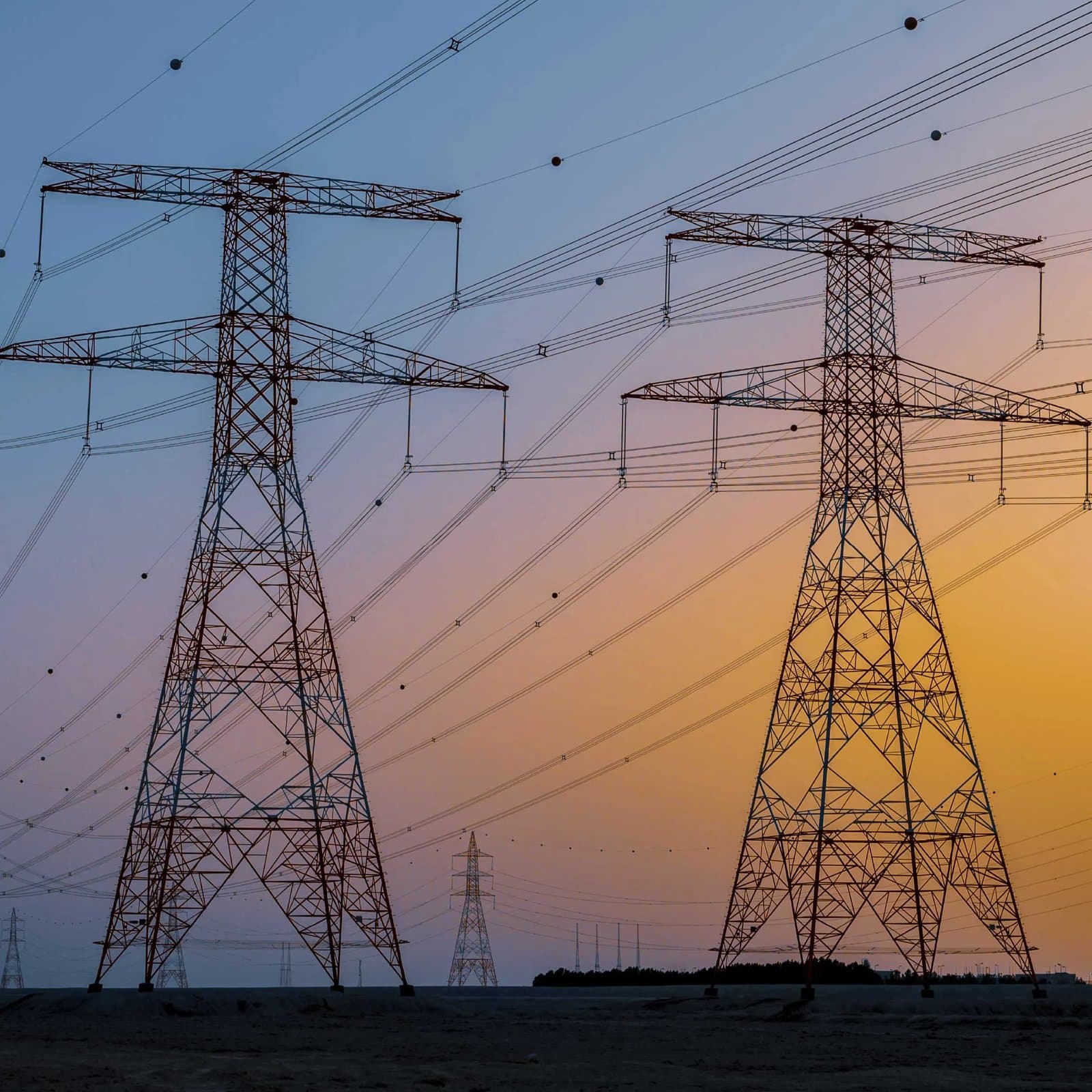
Abu Dhabi's Department of Energy (DoE) has issued a regulatory framework for licensing energy aggregators, companies that pool the electricity demand of many large users and reduce it on request when the grid is under strain. The regulator called it the first comprehensive, regulated programme of its kind in the region.
The framework follows the DoE's 2025 Demand Response Pilot Project. More than 30 entities took part, and the regulator said they cut load by an average of 251MW and by as much as 401MW at the maximum. The average was 106MW in 2024, so the 2025 pilot more than doubled it. Across the year, participants reduced consumption during peak periods by about 27GWh and avoided an estimated 4,000 tonnes of carbon dioxide equivalent, according to the DoE.
For a fast-growing grid, the alternative to cutting demand at peak times is to run extra generation that is used only for a few hours. The DoE said demand response avoids firing up additional high-cost, high-emission capacity and makes better use of existing infrastructure. Licensing aggregators turns what has so far been a government-run pilot into a market that private companies can enter and earn money from.
"For the first time in the region, a comprehensive, regulated energy aggregator licensing programme is being launched, opening new markets that attract investment and strengthen demand flexibility and security of supply," said Eng. Ahmed Al Falasi, executive director of the energy efficiency sector at the DoE.
The DoE did not publish eligibility rules, licence conditions or an application timetable in its announcement. It said the framework is designed to protect consumers while generating commercial returns that contribute to the emirate's economy.
The pilot drew on heavy industry and large buildings. Participants came from metals, refining, cement, industrial gases, logistics, commercial buildings and district cooling, and together they offered more than 408MW of flexible capacity, according to the regulator. They were paid through credits on electricity bills issued by TAQA Distribution.
The programme also ran what the DoE described as the region's first direct load control trials, in which loads at industrial sites, educational institutions and district cooling companies were adjusted directly rather than by asking operators to act. The trials tested response times and how well the control technology worked.
The work sits under the Load Management Programme of the Abu Dhabi Energy and Water Efficiency Strategy 2030, launched in 2019. The DoE issued its Demand Response Policy and Regulatory Framework in 2022. Its policy documents set a target of 200MW of demand response capacity by 2030, and the 2025 pilot's average already exceeds that figure.
The DoE said it is working with Emirates Water and Electricity Company and other stakeholders on using artificial intelligence and virtual power plants to make electricity demand more flexible. A virtual power plant links distributed loads, storage and generation under software control so they can be dispatched together like a single plant. The next test is how many companies apply for aggregator licences and how much capacity they bring.
Sources
- Abu Dhabi Media Office · Abu Dhabi Department of Energy issues energy aggregator licensing framework to strengthen grid flexibility and manage peak electricity demand
- Abu Dhabi Department of Energy · Demand Response Policy
Produced with AI assistance from the sources above. How we work
By
Nakoda News Desk
Nakoda News covers AI and business. Every story links the sources it draws on; how we work is set out in our editorial standards.
Related coverage
Policy Elvis Presley and Eminem Rights Holders Sue Suno Over AI Training and Voice Imitation
2 hours ago · 3 min read
- Policy

Trump Says Huang Told Him He Had 'No Idea' Woman Was a Spy, Stays Vague on When He Knew
2 hours ago · 2 min read
Policy Huang Spy Allegations Boost Chip Export Bills That Nvidia Opposes in Defence Package
3 hours ago · 2 min read
- Policy

Trump Sees 'Positive Momentum' on Iran Deal After Talks With Qatar's Prime Minister
4 hours ago · 1 min read
- Policy
Macron Says AI Should Be Banned Wherever It Endangers Children's Mental Health
4 hours ago · 2 min read