US Midterms Are the First Election Test of AI as a Campaign Issue
Pro-regulation groups ran ads about AI itself, and industry-aligned super PACs spent more than $50 million in nearly 50 races while largely avoiding the subject, Axios reports.
By Nakoda News Desk
·2 min read
Prefer Nakoda News on Google
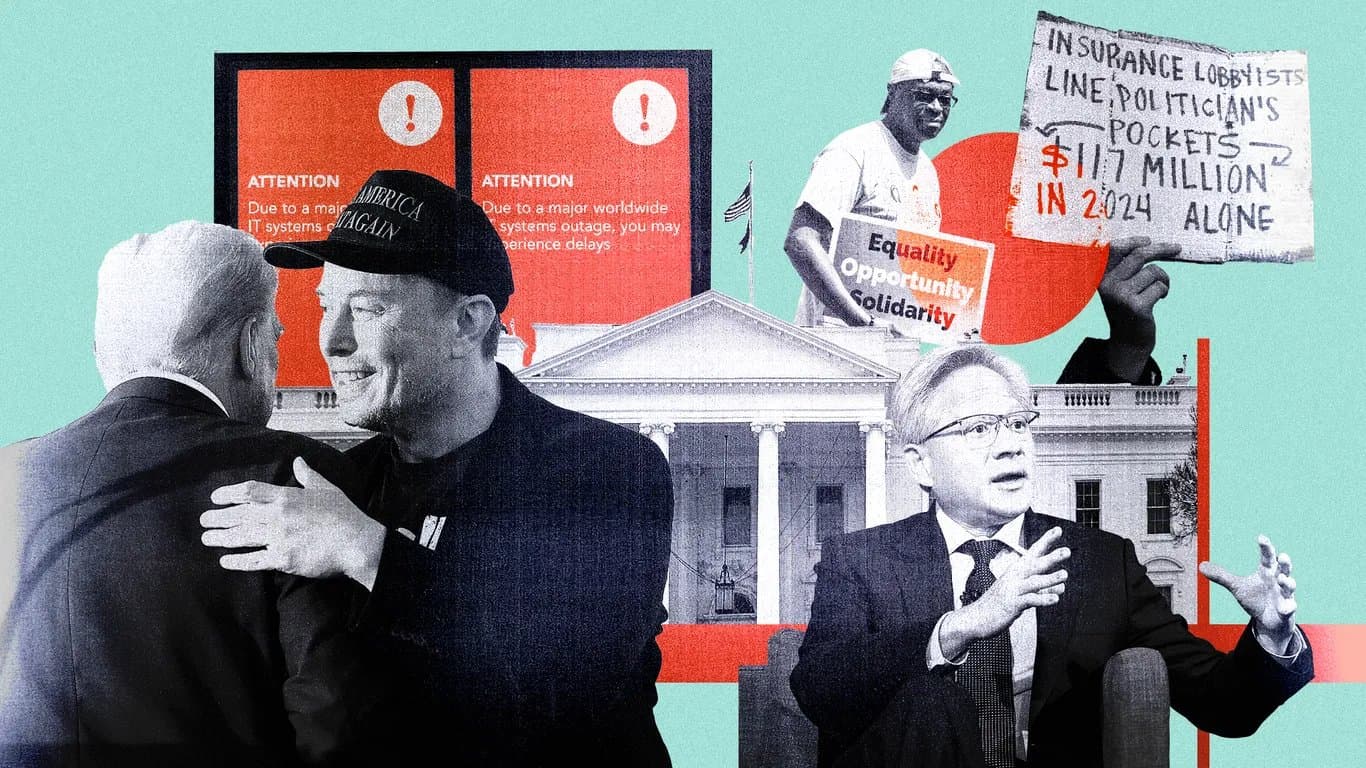
Tuesday's US midterm elections will be the first broad test of how voters respond to the fight over artificial intelligence, and their results are likely to shape AI policy in Washington in 2027 and the strategies of both parties for the 2028 presidential race, Axios reported on Election Day.
The outlet set out three questions that the results could answer: whether AI broke through as an issue with voters, whether Elon Musk's money helped or hurt the candidates it backed, and how large a bloc of AI safety advocates will sit in the next Congress.
Two Ways of Spending on AI
Axios described a split in AI-related political spending this cycle. Some groups have tried to make AI policy itself the subject of campaigns. Guardrails Alliance, a pro-regulation advocacy group, ran ads aimed at both Republicans and Democrats over their AI positions in Arizona, Montana, North Carolina and California. It also backed Abdul El-Sayed in Michigan's Senate race. El-Sayed called AI the most important issue going into Election Day and linked it to jobs and affordability. A Democratic group, Tomorrow Together, ran ads attacking Republicans' AI record in Michigan, Wisconsin, Arizona and Pennsylvania.
Other groups took a different route. Public First and Leading the Future, two competing AI political groups, spent more than $50 million through affiliated super PACs in nearly 50 races, Axios reported. Their television and digital ads mostly avoided mentioning AI, the issue they are trying to influence.
The Musk Factor
Musk was by far the largest donor of the midterms, giving more than $400 million, according to Axios. His role in DOGE and his ties to the Trump administration have made him both a major backer of Republicans and a target for Democrats. Races that could show which effect was stronger include Texas's 10th District, where Republican Chris Gober, who represented Musk in connection with DOGE, faces Democrat Caitlin Rourk; Kansas's 1st District, where Democrat Lauren Reinhold has criticised Musk's influence in her challenge to Republican Rep. Tracey Mann; the Ohio Senate race, where Musk's America PAC has spent in support of Republican Jon Husted against Democrat Sherrod Brown; and the Texas Senate contest between Democrat James Talarico and Republican Ken Paxton.
A Possible AI Safety Bloc
Several candidates who favour stronger AI safeguards could add weight to efforts in Congress to resist industry pressure for lighter regulation. El-Sayed wants a new cabinet-level federal agency to regulate AI and a ban on superintelligence. He has used Musk's political involvement against his Republican opponent, Mike Rogers, who has benefited from Musk-affiliated spending. In Colorado's 8th District, Democrat Manny Rutinel sponsored what Axios described as the nation's first comprehensive AI bill. In California's 11th District, Democrat Scott Wiener is running after his AI transparency legislation divided the industry. In Minnesota's 2nd District, Democrat Matt Little supports national bans on data centre construction and on non-disclosure agreements.
Why It Matters
For technology companies and investors, the results will show whether campaigning on AI rules wins votes, and how much room the next Congress gives to the industry's push to limit regulation. Axios noted that many factors will decide individual races, and that competing AI factions are likely to claim credit for wins and explain away losses as they plan for 2028.
Sources
- Axios · Three questions that will define AI's political power
Produced with AI assistance from the sources above. How we work
By
Nakoda News Desk
Nakoda News covers AI and business. Every story links the sources it draws on; how we work is set out in our editorial standards.
Related coverage
Policy Scott Wiener, Author of California's AI Safety Law, Wins Pelosi's House Seat
2 hours ago · 2 min read
Policy OpenAI's textGrain Watermark Weakens on Short or Edited Text, Raising EU Compliance Doubts
3 hours ago · 3 min read
- Policy
UAE Adds AI Categories to Government Excellence Award, Honouring Tax Authority's AI Chief
5 hours ago · 2 min read
Policy UAE Banks Federation Chief Flags AI-Driven Fraud and Cloud Concentration Risk
5 hours ago · 1 min read
Policy DIFC Courts Propose On-Chain Dispute Standard as DFSA Publishes Tokenisation Report
6 hours ago · 2 min read