Saudi Data Authority Study Sets Out Rules for Using Synthetic Data in AI Development
SDAIA says artificially generated data can cut the cost of training AI and protect privacy in sectors such as healthcare and finance, but warns it can still carry bias and expose individuals if poorly managed.
By Nakoda News Desk
·2 min read
Prefer Nakoda News on Google
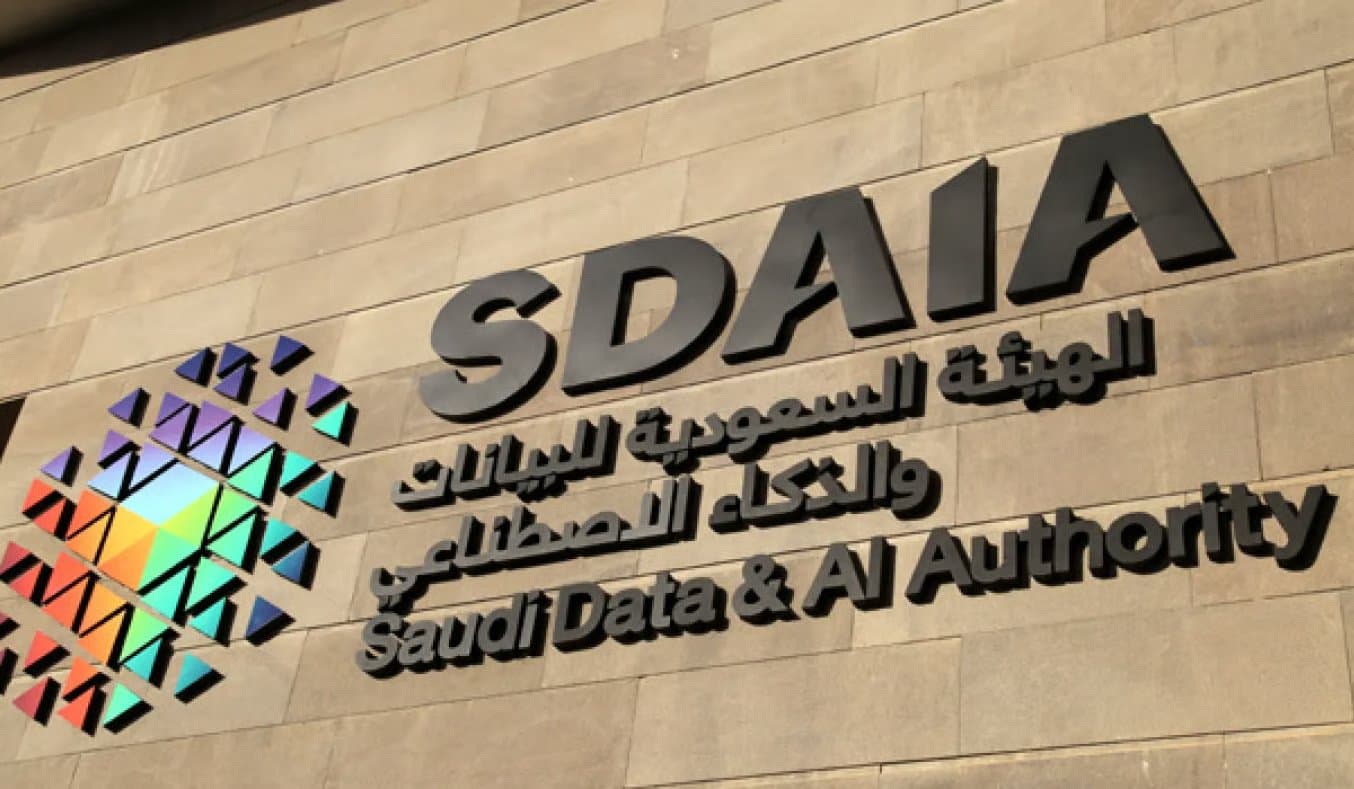
The Saudi Data and Artificial Intelligence Authority (SDAIA) has published a study on synthetic data that presents the technique as a way to speed up AI development, while setting out the safeguards it says organisations need before relying on it, Arab News reported.
The study, titled "Synthetic Data: Opportunities, Challenges, and Governance Mechanisms," looks at data that is generated artificially to reproduce the patterns and characteristics of real-world information. Such datasets can be used to train and test AI systems without depending entirely on records drawn from real people or transactions.
What The Study Finds
According to the authority, synthetic data could ease one of the main obstacles in AI development: getting enough high-quality data. Generating datasets rather than collecting and cleaning real ones can cut time and cost, the study says, and can make it easier for organisations to share data and build new applications.
SDAIA singled out healthcare and financial services as sectors where the approach could be most useful, because strict privacy rules there often limit access to real-world data. Using synthetic records, organisations could develop and test tools while depending less on sensitive personal information.
The study sorts synthetic data into three types: fully synthetic data produced entirely by AI or computer models; partially synthetic data, where some real values are replaced; and hybrid datasets that combine real and synthetic information. The authority also argued that the technique could make AI systems fairer, by generating additional examples for groups that are underrepresented in existing datasets and so improving model performance for them.
Risks and Safeguards
The authority was explicit that synthetic data does not fully solve privacy or accuracy problems. The study notes that generated datasets can reproduce biases present in the original data used to create them, and that, if the data is not generated and managed properly, there may be a risk of individuals being re-identified.
To manage those risks, SDAIA said organisations should carry out regular assessments, testing and quality checks to confirm that synthetic data is reliable and fit for its intended use. The study also lays out a roadmap for responsible adoption. It calls for clear rules on how synthetic data is used, oversight and accountability systems, standards for verifying quality, and transparency about where data comes from and how it is generated. It also points to regulatory sandboxes, controlled environments where new technologies can be tested before wider deployment.
Why It Matters
SDAIA is Saudi Arabia's central data and AI authority, so its guidance is an early signal of how regulators in the kingdom may expect companies to handle synthetic data in sensitive sectors. For banks, insurers, hospitals and AI developers working in Saudi Arabia, the emphasis on quality checks, provenance and accountability suggests that synthetic data will be treated as something to be governed, not as a way around data protection obligations.
The authority framed the study as part of Saudi Arabia's wider effort to build a national data ecosystem and to encourage responsible use of emerging technologies. It linked the work to Vision 2030 and to the designation of 2026 as the Year of Artificial Intelligence, according to Arab News.
Sources
- Arab News · SDAIA study highlights synthetic data opportunities, risks for AI development
Produced with AI assistance from the sources above. How we work
By
Nakoda News Desk
Nakoda News covers AI and business. Every story links the sources it draws on; how we work is set out in our editorial standards.
Related coverage
Policy Scott Wiener, Author of California's AI Safety Law, Wins Pelosi's House Seat
2 hours ago · 2 min read
Policy OpenAI's textGrain Watermark Weakens on Short or Edited Text, Raising EU Compliance Doubts
3 hours ago · 3 min read
- Policy

UAE Adds AI Categories to Government Excellence Award, Honouring Tax Authority's AI Chief
5 hours ago · 2 min read
Policy UAE Banks Federation Chief Flags AI-Driven Fraud and Cloud Concentration Risk
5 hours ago · 1 min read
Policy DIFC Courts Propose On-Chain Dispute Standard as DFSA Publishes Tokenisation Report
6 hours ago · 2 min read