Sakana AI Starts Building Sawara, Its First Foundation Model; CEO Says No Near-Term IPO
A small on-premises version is due in early 2027, aimed first at Japanese security needs, after the startup built its products on other companies' models.
·2 min read
Prefer Nakoda News on Google
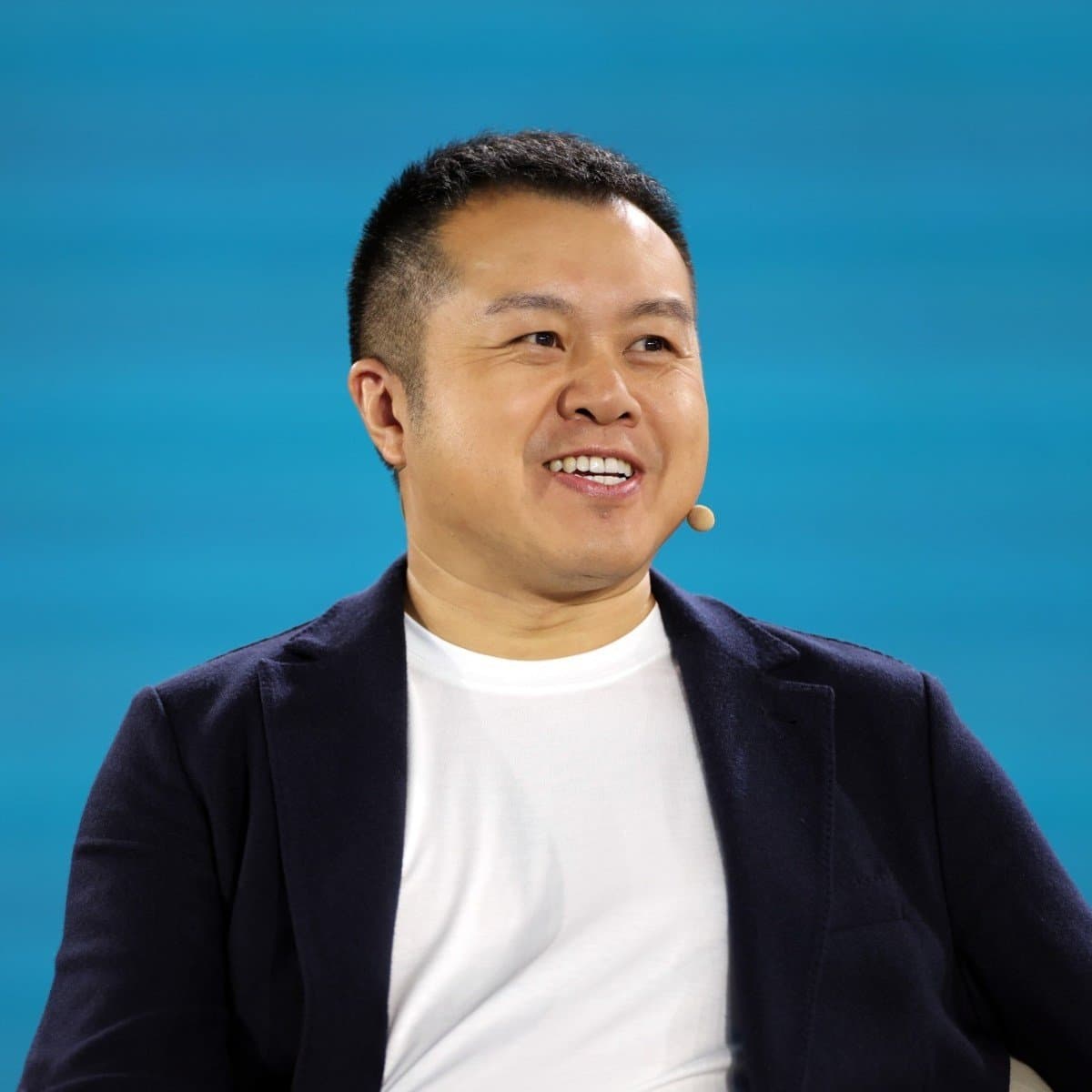
Sakana AI, the Tokyo-based startup, is starting work this month on Sawara, its first in-house foundation model, co-founder and chief executive David Ha told TechCrunch. He said the company has no near-term plans to go public.
Sakana plans to train and release a smaller version of Sawara in early 2027, followed by a larger one. Ha said pre-training is the last capability Sakana needs to become what he called a full-stack company.
Until now Sakana has built on other companies' models. Fugu, an orchestration system launched about five months ago, assembles AI agents from other large language models, including OpenAI's. Namazu, its Japanese-focused model, fine-tunes open-weight models from Meta and DeepSeek. Ha said Japanese enterprises cannot use open-weight models as they are because "they're usually biased towards their creators". Such models may refuse to answer questions about Japan or Japanese politics, he said.
Ha said Sawara was planned with physical AI, manufacturing and industry in mind, and that this remains the long-term goal. "But short-term, I think Japan has a real need for security-related capabilities as well," he said. The small model is meant for on-premises use. Foreign models are not enough for some applications, Ha said. In cybersecurity, for example, Japan requires customised models to be deployed on-premises.
Government work has shaped the design. In July Sakana signed a research contract with Japan's Ministry of Defense to explore how AI can analyse and integrate information from multiple sources. It has also worked with the Ministry of Internal Affairs and Communications on systems that detect disinformation. Ha said agencies often have stricter requirements than commercial customers, including the ability to audit training data, customise models and deploy them on-premises. "I think similar requirements exist in many governments," he said.
Ha acknowledged that a domestic model alone will not end Japan's reliance on foreign AI. "Japan will continue to use U.S. systems, but it also wants domestic alternatives," he said. He said he has great respect for companies such as Snowflake, Palantir and Datadog, but that for national defence Japan will want its own systems.
Nikkei and Bloomberg reported earlier this month on a possible Sakana IPO. Ha said the reported timing and valuation were speculative and that he did not know when the company might list, though he expects it to go public in Japan eventually. "We have a gravitational pull to eventually IPO in Japan," he said.
Rather than growing mainly by selling its models, Sakana wants to help Japanese manufacturers use AI to compete globally. "We want to go abroad, go international together with manufacturing and industrial sectors," Ha said.
By
Nakoda News Startups Desk
Founders, funding rounds, investors and the companies they back.
Related coverage
Companies DP World Ranks 16th Among Global Container Ship Operators With 147,699 TEU Fleet
6 hours ago · 1 min read
- Companies

OpenAI Countersues Apple Over Device Plans and Pressure on Shared Suppliers
7 hours ago · 2 min read
Companies Nvidia Director Urges Board to Reinstate Huang, Warns of 'Irreplaceable' Talent Loss
Nov 17, 2026 · 2 min read
- Companies
Bloom Energy CEO Says Pricier Gas Helps Fuel Cell Case After 20% Share Slide
Nov 17, 2026 · 1 min read
Companies Nvidia Board Not Weighing Jensen Huang's Return, Reports Say, a Day Before Results
Nov 17, 2026 · 2 min read