Rubio Recast CIA Findings in Memo Warning Trump About Jensen Huang, Washington Post Says
CIA officials were not yet convinced the Chinese businesswoman knowingly sent information to Beijing, the Post reports, as lawmakers push tighter AI chip export controls.
·3 min read
Prefer Nakoda News on Google
Secretary of State Marco Rubio, who is also national security adviser, wrote the memo warning President Donald Trump about Jensen Huang's relationship with a Chinese businesswoman by recasting a CIA report "in his own more assertive terms," The Washington Post reported, citing a person familiar with the matter. The account shows that the case leading up to the Nvidia founder's resignation as chief executive on Thursday was built on contested intelligence. Details were first published by ChinaTechNews.com.
The report matters because it shows the case that preceded the Nvidia founder's resignation was built on contested intelligence. According to the Post, CIA officials were not yet convinced that the intelligence gathered so far, including intercepted communications, proved the woman was knowingly sending information back to Beijing. CNN separately reported that US intelligence is unsure whether she spied on Nvidia for China. The woman, Alice Huang, is not related to Jensen Huang, and the allegation against her has not been publicly proven.
The memo circulated among national security officials with clearances in the spring, before Trump's state visit to China in May, according to the report. Its findings later reached the media. Asked repeatedly at the Group of Seven summit in Paris about his role in alerting the White House, Rubio declined to discuss it. Asked whether the affair had changed his position in AI talks with Beijing, he said: "I work for the American people."
The Post's account does not settle the espionage question, and it does not show that Rubio invented the concerns. What it adds is motive and context. Huang had direct access to Trump and argued against tighter limits on advanced chip sales to China, saying American interests were served by keeping Chinese companies dependent on US technology. He helped persuade Trump to allow certain Nvidia sales to China in exchange for a share of the revenue, an arrangement Commerce Secretary Howard Lutnick described to CNBC in December 2025 as the "great American technologist talking to the great businessman president."
That access was resented. A former official who worked on chip policy told the Post that some in the administration "wanted to destroy the influence Jensen had over the president."
How the Board Responded
Huang acknowledged an affair with an executive at an Nvidia customer and apologised. Nvidia's board opened an independent investigation on November 8 into whether the relationship had compromised company security, saying it had no reason to believe national security had been compromised and initially expressing confidence in him. Reports of further affairs, including one with an Nvidia subordinate, followed, and Huang resigned as chief executive on Thursday after 33 years in the role. Colette Kress is serving as interim chief.
Trump backed Huang throughout and, after the resignation, called him a "legend" who had "done a fantastic job." China's foreign ministry has called the reports "nothing but a smear against China."
What Congress Wants Next
Lawmakers are now trying to attach chip measures to a major defence bill expected before the end of the year. The proposals include tighter export controls on AI chips, technology to detect smuggling and limits on China's access to chipmaking equipment. Senator Jim Banks, an Indiana Republican, has called for closing loopholes involving smuggling, shell buyers and remote access.
Representative John Moolenaar, the Michigan Republican who chairs the House Select Committee on China, said Huang's exit was "an unfortunate end that could have been avoided."
For Nvidia, the policy stakes are direct. HSBC this week flagged export risk on about 11% of the company's revenue when it downgraded the stock, and the company reports quarterly results in the coming days, its first without Huang in charge.
By
Nakoda News Policy Desk
Regulation, government strategy and the rules taking shape for AI and technology.
Related coverage
Policy Dubai Petroleum Trading Committee Targets 2027 for Digital Permits, With Violations to Be Issued From Second Quarter
5 hours ago · 2 min read
- Policy
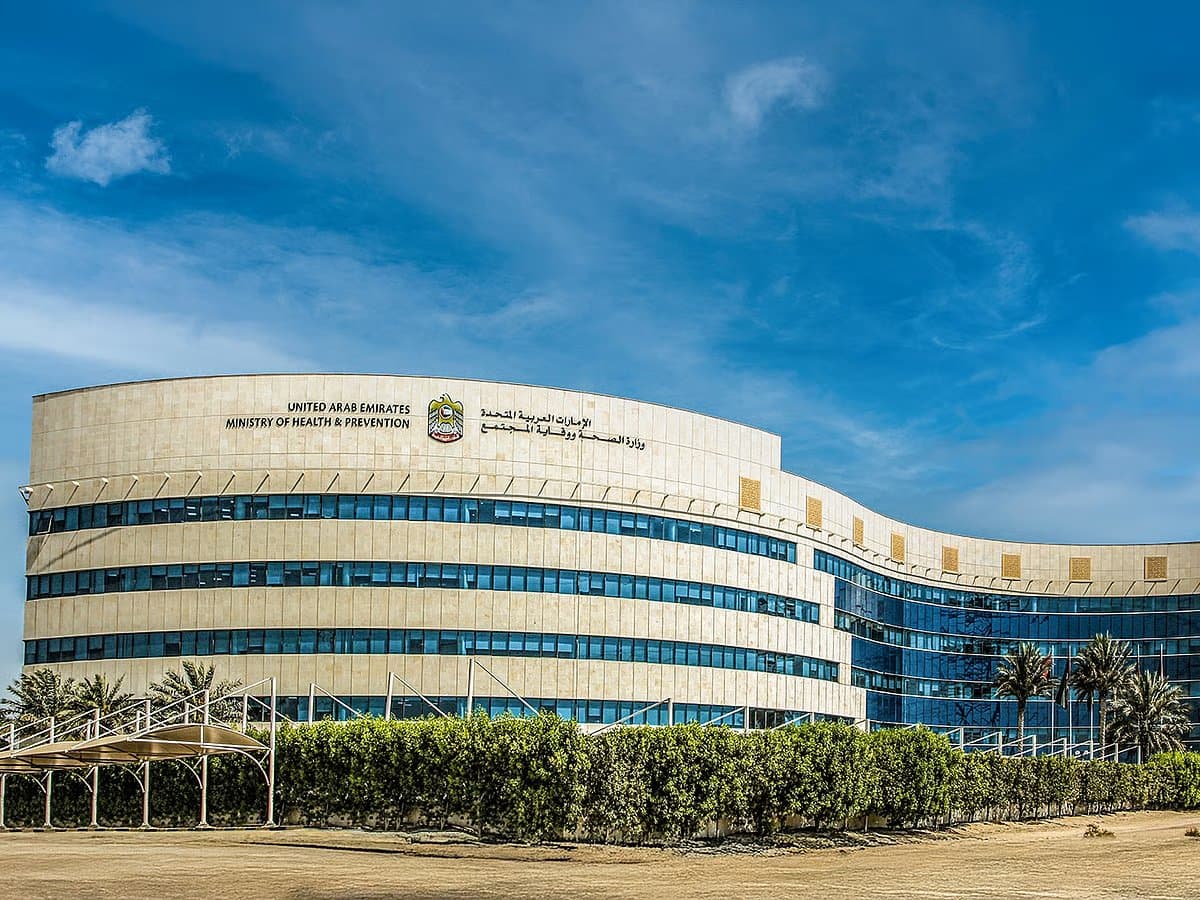
UAE Eyes Mandatory Health Screening Tied to Insurance as Diabetes Costs Dh9 Billion a Year
8 hours ago · 2 min read
- Policy
Dubai Judicial Expertise Centre to Adopt AI as Rental Appeal Rulings Fall to 23 Days
8 hours ago · 2 min read
Policy Yemen Government Forces Quit Area Near Bab Al Mandab, Leaving Houthis in Control
9 hours ago · 2 min read
- Policy

Bahrain Issues Nationwide Threat Alert as Iran Claims Drone Strikes on US Bases
12 hours ago · 2 min read