Ras Al Khaimah and Sharjah Reopen Beaches as Greenpeace Maps 540 Oil Slicks in the Gulf
Resort beaches are open again after a three-week closure, but satellite data show slicks across about 20,000 sq km of sea since the Iran war began.
By Nakoda News Desk
·3 min read
Prefer Nakoda News on Google
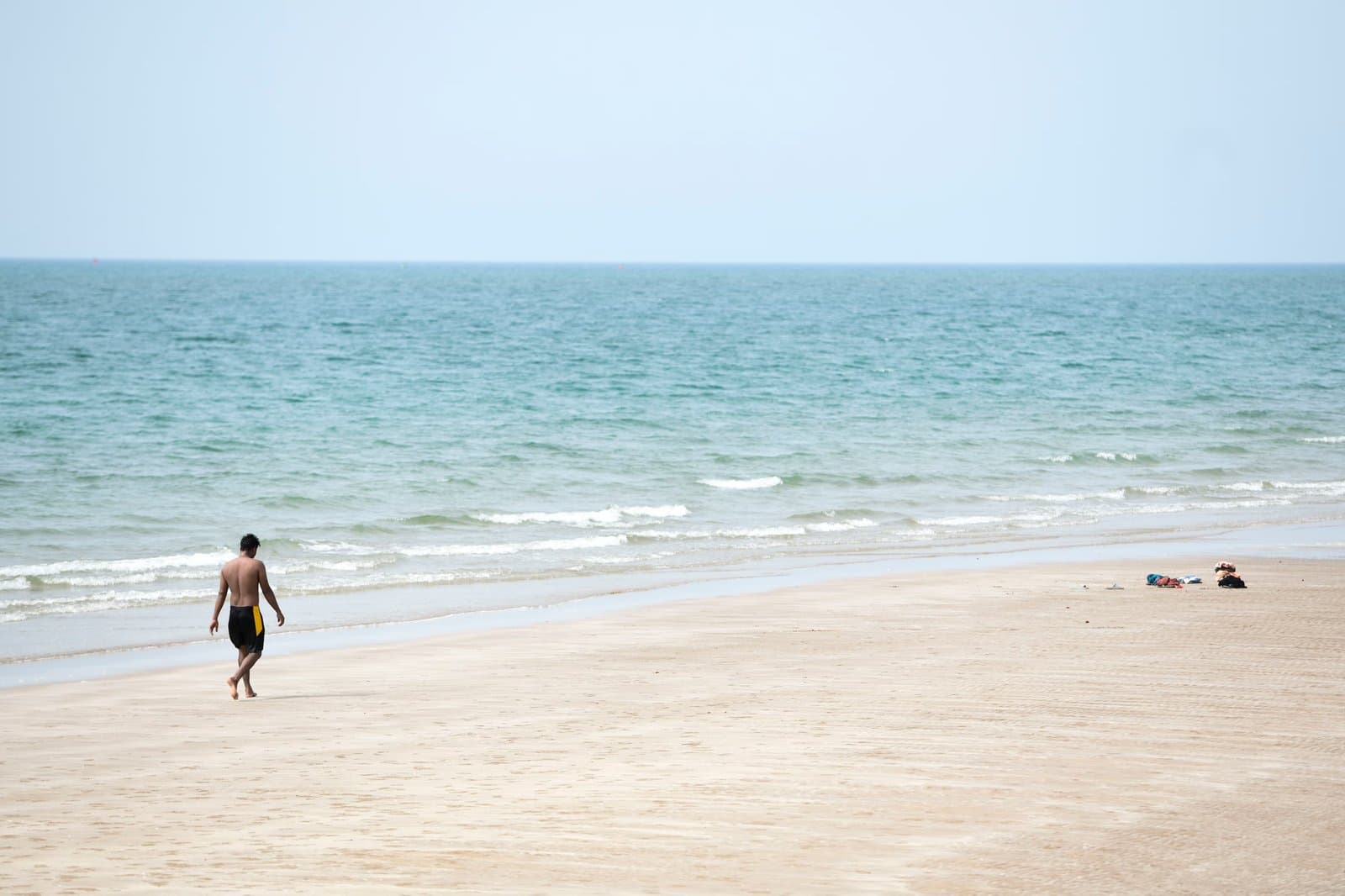
Ras Al Khaimah has reopened seven public and resort beaches that were closed for almost three weeks after an oil spill off the UAE's northern coast, and Sharjah said on Thursday that its beaches were also open again after pollution was brought under control.
The reopenings give the northern emirates' hotels back their main draw in the run-up to the winter season. But new satellite data published this week suggest the spill that shut them is one of hundreds in the region since the war with Iran began in late February, a risk to tourism, fisheries and the coastal desalination plants that supply Gulf drinking water.
Ras Al Khaimah's Public Services Department said on Wednesday that Flamingo Beach, Dahan Beach, Al Maireedh Beach and Al Rams Corniche were open to the public, along with the beaches at Anantara Mina Al Arab Resort, InterContinental Ras Al Khaimah Mina Al Arab Resort and Spa, and The Cove Rotana Resort. The department said the remaining beaches would reopen gradually and urged visitors to follow official safety instructions.
Sharjah's media office said in a statement that "the emirate's beaches and marine environment are safe, allowing the public to visit and enjoy various marine activities safely."
All beaches in Ras Al Khaimah were closed on October 24, in coordination with the emirate's police, and beaches in Sharjah and Umm Al Quwain were also restricted. The oil came from the supertanker Gem No.2, which was hit in a suspected Iranian drone attack in early October about 13 nautical miles west of the UAE coast. The Ministry of Climate Change and Environment confirmed the spill on October 22 after residents reported a strong fuel-like smell, and authorities said on October 30 that the leak had stopped and marine pollution had fallen significantly. The ministry said closures did not necessarily mean pollution had reached every beach affected.
The east coast has not escaped. On Monday, Khor Fakkan closed Al Luluyah Beach on the Gulf of Oman after oil was detected offshore, the first confirmed spill on that side of the country. The city did not give a cause. Two days earlier, the UK Maritime Trade Operations centre had reported an incident involving a bulk carrier and military forces about 18 nautical miles east of Khor Fakkan.
The Wider Spill Map
Greenpeace, working with the ship-tracking firm Kpler, has identified at least 540 oil slicks in the region since February 28, covering roughly 20,000 sq km of sea, about a quarter of the UAE's land area, Arab News reported. The group's map shows an almost continuous slick along the UAE's Gulf coast from Dubai, through the Strait of Hormuz and down the Omani shore towards Muscat. As of November 3, most of the oil was still offshore.
"This is quite frankly an environmental disaster in the making," Nina Noelle, an environmental disaster relief expert at Greenpeace, told Arab News. More than 130 vessels have been attacked in the Gulf and the Gulf of Oman since the war began, and October brought the most attacks on commercial ships in and around the Strait of Hormuz of any month in the conflict, according to data compiled by the Washington Institute for Near East Policy.
The tourism cost is already large. A month into the war, the World Travel and Tourism Council estimated the region was losing $600 million a day in tourism revenue, and Oxford Economics forecast in March that a two-month war would cost Gulf states about 33 million visitors and $56 billion this year. GCC states approved a joint tourism recovery plan in Manama in September built around multi-country itineraries, and Bahrain's tourism minister said this month that a global campaign was close to launch.
Most beaches in Umm Al Quwain remain closed, and Ras Al Khaimah has said further reopenings will be announced through its official channels.
Sources
- Gulf News · Ras Al Khaimah reopens seven beaches after precautionary closures over oil spill concerns
- The National · Ras Al Khaimah beaches reopen after supertanker oil spill
- Arab News · Ras Al-Khaimah and Sharjah reopen beaches after oil spill from damaged tanker
- khaleejtimes-english · Ras Al Khaimah opens 7 beaches after temporary closures due to oil spill
- Arab News · How Iran war oil spills are threatening Gulf marine life, tourism and coastal communities
Produced with AI assistance from the sources above. How we work
By
Nakoda News Desk
Nakoda News covers AI and business. Every story links the sources it draws on; how we work is set out in our editorial standards.
Related coverage
Business Kalshi in Talks to Raise Money at $65 Billion Valuation, Weeks After a $40 Billion Round
8 hours ago · 2 min read
- Business
LangChain Raises $300 Million at $3 Billion Valuation in Round Led by CapitalG
9 hours ago · 2 min read
Business Houthis Say They Struck Saudi Pipeline That Carries Oil Around the Strait of Hormuz
11 hours ago · 2 min read
- Business

Saudi Arabia Reschedules Postponed FII Investment Summit for October 25-28, 2027
13 hours ago · 1 min read
- Business

Damac's Sajwani Targets 10GW of Data Centre Capacity by End of 2027, Up From 6GW
15 hours ago · 3 min read