Dubai's Parkin Now Earns More From Parking Fines Than From Public Parking Fees
Enforcement revenue rose 32% to Dh136.4 million in the third quarter while pay-as-you-go parking income fell 5%, and the company raised its full-year fines guidance.
By Nakoda News Desk
·2 min read
Prefer Nakoda News on Google
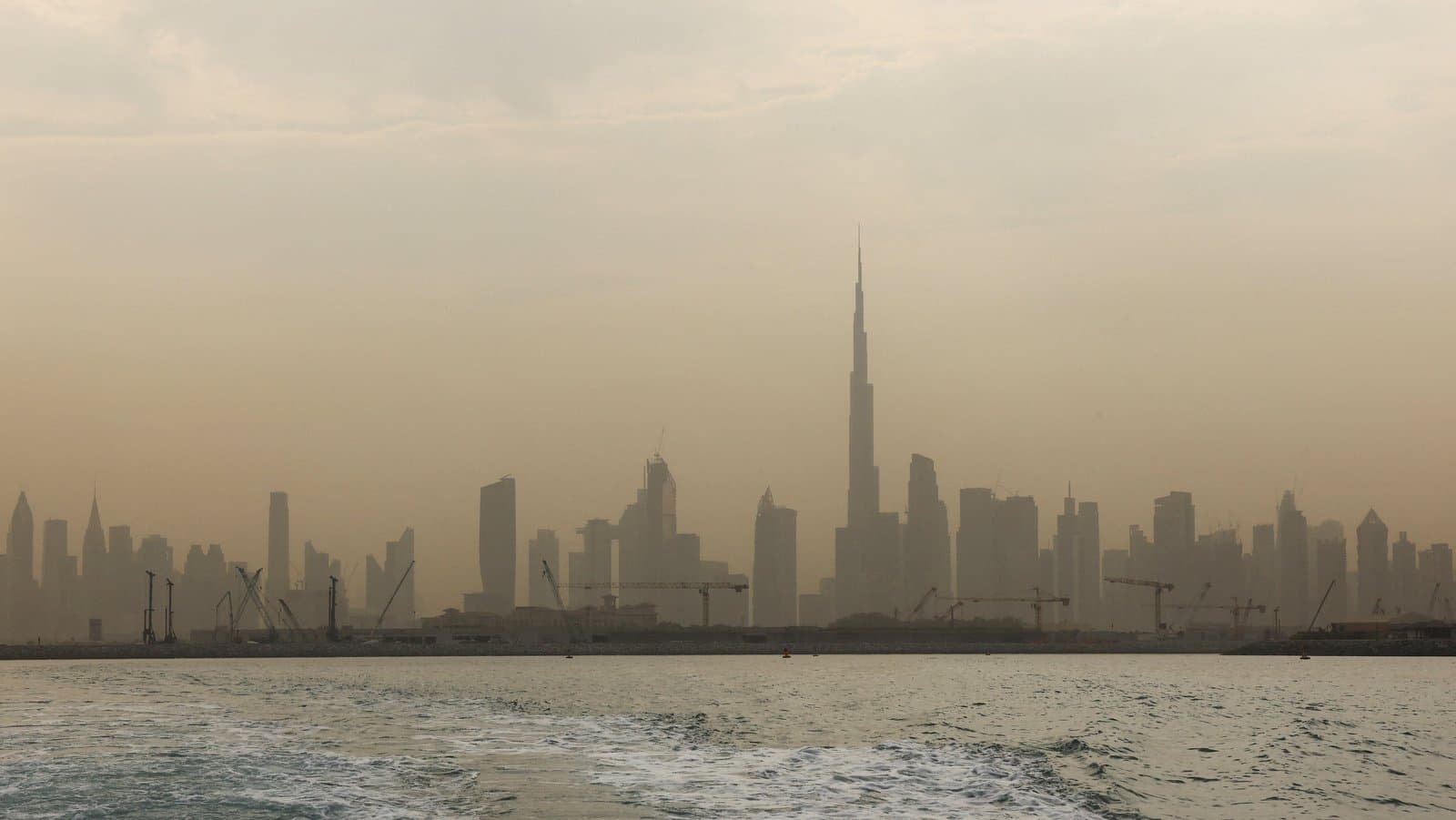
Parkin, the company that runs Dubai's public parking, took in more money from fines than from public parking fees in the third quarter. Enforcement revenue rose 32 per cent to Dh136.4 million, while revenue from public parking fell 5 per cent to Dh127.8 million in the three months to September, according to results the Dubai Financial Market-listed company published on November 10.
The change in revenue mix matters for a company that holds the city's public parking monopoly. Use of its paid public spaces is falling, and more of its growth now comes from penalties, prepaid permits and contracts with private developers. Public parking utilisation dropped to 19.1 per cent from 21.3 per cent a year earlier, and public parking transactions fell 4 per cent to 28.8 million.
The group as a whole had a record quarter. Revenue rose 21 per cent to Dh415.2 million from Dh343.3 million, and net profit rose 27 per cent to Dh199.2 million. EBITDA climbed 28 per cent to Dh255 million, lifting the margin to 61 per cent from 58 per cent. "The double-digit growth demonstrates the strength of our diversified business," chief executive Mohamed Abdulla Al Ali said.
Part of the fall in public parking revenue comes from drivers buying more prepaid permits. Parkin sold 110,600 seasonal cards in the quarter, 37 per cent more than the 81,000 it sold a year earlier, and seasonal card revenue rose 40 per cent to Dh83.8 million. Seasonal card prices have not changed since April 2025, when Dubai introduced variable parking tariffs. Semafor noted that card holders occupy public spaces but are not counted in public parking utilisation or revenue, which may have skewed the comparison.
Enforcement has also become more automated. Parkin's fleet of smart inspection cars grew from 27 to 37 vehicles, and they scanned 26.5 million number plates in the quarter, up 72 per cent, Gulf News reported from the results. Enforcement notices rose 34 per cent to 916,000, and the fine collection rate reached 87 per cent. Parkin did not say how many fines it issued.
Fines are slower to turn into cash than parking fees. The company blamed delayed inflows on enforcement's longer collection cycle and on receivables owed by telecoms operators, and its cash conversion rate fell to 89 per cent from 99 per cent.
Enforcement revenue for the first nine months reached Dh363.6 million, up from Dh281.5 million a year earlier. Enforcement and developer parking together made up 42 per cent of quarterly revenue, up from 37 per cent.
The developer business grew fastest. Revenue from parking run for private developers rose 69 per cent to Dh39.8 million, and the number of developer spaces nearly tripled to 63,000. Parkin's total portfolio reached 272,500 spaces at the end of September, up 24 per cent year on year, of which 205,800 were public spaces, up 7 per cent.
Parkin raised its full-year enforcement revenue guidance to Dh460 million to Dh480 million, from Dh420 million to Dh460 million. It also raised guidance for seasonal cards and permits to Dh300 million to Dh320 million, from Dh280 million to Dh300 million. It kept developer parking guidance at Dh130 million to Dh150 million and expects public parking revenue near the midpoint of its Dh510 million to Dh550 million range. Capital spending for the year is forecast at Dh45 million to Dh55 million, and the company pays dividends twice a year, in April and October.
Sources
- Semafor · Dubai's public parking fines overtake fees
- Khaleej Times · Seasonal cards demand, fines boost Parkin's Q3 profit by 27% to Dh199.2 million
- Gulf News · Parkin Reports 27% Profit Surge Driven by Seasonal Cards and Fines
Produced with AI assistance from the sources above. How we work
By
Nakoda News Desk
Nakoda News covers AI and business. Every story links the sources it draws on; how we work is set out in our editorial standards.
Related coverage
- Companies
Tabreed Earns Dh320 Million in Nine Months as Financing Costs Rise After PAL Cooling Deal
2 hours ago · 2 min read
- Companies

Salik's Nine-Month Profit Falls 8.6% as Fewer Trips Pass Its Dubai Toll Gates
2 hours ago · 2 min read
- Companies

Masdar Marks Completion of $950 Million Lockhart Solar and Storage Complex in California
2 hours ago · 2 min read
- Companies
Arada Wins Approval for Dh1.6 Billion Wattle Green Housing Project in Sydney's Castle Hill
5 hours ago · 1 min read
Companies Wynn to Open Room Sales at Al Marjan Resort Soon as September 2027 Opening Holds
5 hours ago · 3 min read