OpenAI's New AI Policy Pitch Meets Skepticism From Lawmakers and Safety Groups
Chief lobbyist Chris Lehane is renaming data centres "compute campuses" and pushing for a federal AI testing bill, as Democrats expected to gain power in Washington question whether the change is sincere.
By Nakoda News Desk
·2 min read
Prefer Nakoda News on Google
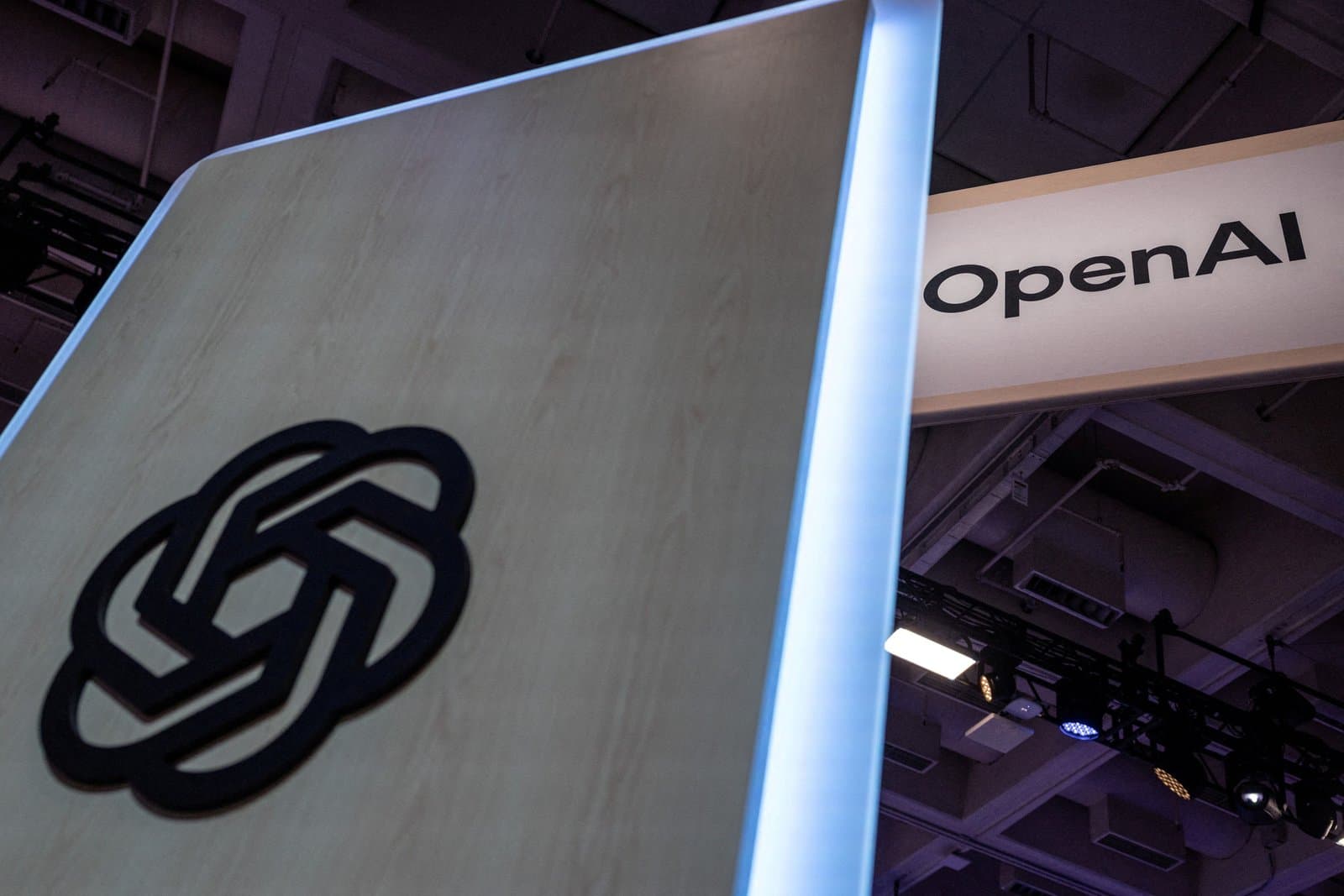
OpenAI's effort to reset its message on AI policy around the US midterm elections is drawing a cool response from AI safety advocates and some members of Congress, Semafor reported on Tuesday.
The campaign has several parts. OpenAI has started calling data centres "compute campuses" and is seeking community input on where and how they are built. It compares AI rules to speed limits for cars, argues that AI helps people in their daily lives, and is calling for global AI standards, as Axios first reported.
Critics were dismissive. "If they think they can change the AI debate with Orwellian name changes, they are setting themselves up for failure," Brad Carson, a former Democratic congressman from Oklahoma who co-founded and leads Americans for Responsible Innovation, told Semafor. Representative Greg Casar, a Texas Democrat, wrote on X that AI will be the top issue in 2028 "and anyone looking to OpenAI's lobbyist for advice will lose."
Lehane's Bet
Chris Lehane, OpenAI's chief lobbyist, told Semafor he expects the company's positions on data centres and on keeping people in control of AI to prove "durable," even though they leave OpenAI in a "lonely position." He said lawmakers will soon face hundreds of state AI bills, and asked whether Congress and the White House want to give up control of the issue.
Lehane said OpenAI plans to push for a mandatory AI testing bill that could win 60 votes in the Senate by bringing together members of both parties. The company also still supports some state laws and recently endorsed two frontier AI safety bills in California, he said. OpenAI has talked with Representative Ted Lieu, a California Democrat, about the AI "kill switch" bill Lieu introduced in July, and Lehane said he would soon announce next steps on making OpenAI's products safer for teenage users.
He presented the approach as a middle path between the extremes of the AI debate, arguing that outright opposition to data centres would cost the US ground to China. That echoes the White House's case for a light touch on AI regulation.
Alex Bores, the New York State assemblyman who became a major target of AI industry spending in his run for Congress, said Lehane was "trying to get the best deal out of the Trump administration that he can before Democrats take over." He added that it was "nice to see him say this debate is about control."
Why It Matters
The dispute shows that politics around AI is changing. Industry groups have spent heavily against candidates who back AI guardrails, and local resistance to data centre construction is growing. If Democrats gain power in Congress, any federal AI law will still need Republican votes and, in practice, some engagement with AI companies.
Joseph Hoefer, chief AI officer at Monument Advocacy, told Semafor he expects other companies to follow OpenAI. He said the industry "had a good run making the case for a lighter touch," but that polling shows the limits of that approach when voters want to know who controls the technology. The aim for AI companies, he said, is "to give lawmakers a case for AI investment they can defend back home."
For companies and investors that depend on US AI capacity, including Gulf partners funding large US and overseas data centre projects, the outcome will help decide whether Washington moves toward mandatory testing rules or leaves the field to the states.
Sources
- Semafor · OpenAI pushes policy rebrand to a skeptical audience
Produced with AI assistance from the sources above. How we work
By
Nakoda News Desk
Nakoda News covers AI and business. Every story links the sources it draws on; how we work is set out in our editorial standards.
Related coverage
Policy Scott Wiener, Author of California's AI Safety Law, Wins Pelosi's House Seat
2 hours ago · 2 min read
Policy OpenAI's textGrain Watermark Weakens on Short or Edited Text, Raising EU Compliance Doubts
3 hours ago · 3 min read
- Policy

UAE Adds AI Categories to Government Excellence Award, Honouring Tax Authority's AI Chief
5 hours ago · 2 min read
Policy UAE Banks Federation Chief Flags AI-Driven Fraud and Cloud Concentration Risk
5 hours ago · 1 min read
Policy DIFC Courts Propose On-Chain Dispute Standard as DFSA Publishes Tokenisation Report
6 hours ago · 2 min read