Iran's Rial Nears 3 Million per Dollar as US Blockade Bites and Inflation Hits 88.7%
Central Bank Governor Abdolnaser Hemmati says Iran has enough hard currency for basic goods and medicine for months, as new US Treasury sanctions target its shadow banking networks.
·1 min read
Prefer Nakoda News on Google
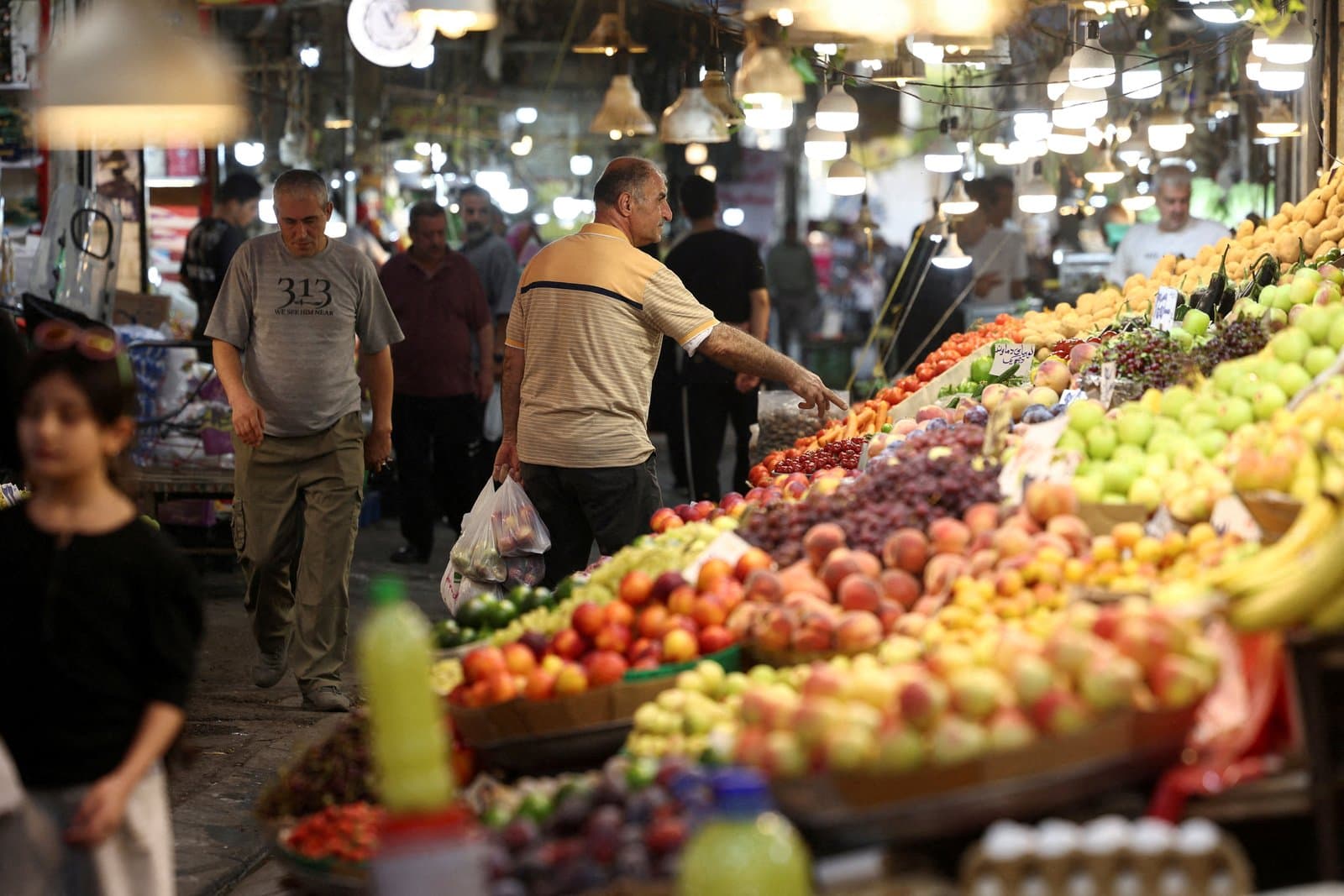
Iran's rial fell to a record low on the open market on Saturday, edging toward the psychological threshold of 3 million to the US dollar as a US naval blockade and tougher sanctions weigh on the economy, Reuters reported. Details were first published by Arab News.
The dollar sold for around 2.990 million rials, up from 2.938 million on Friday, according to the tracking website bon-bast.com. A second site, alanchand.com, put the rate at 2.997 million, up 1.77 percent. The rial first crossed 2 million per dollar in August.
Iran is facing one of its worst inflation surges in decades, driven by the war and the blockade. Consumer prices in October were 88.7 percent higher than a year earlier, and annual average inflation reached 76.8 percent, according to the Statistical Center of Iran. Food and beverage prices rose 112.6 percent year on year. Annual inflation stood at 66 percent in July.
The US reimposed its naval blockade on Iranian ports in July. Earlier this month it announced Task Force Iron Gate to restrict the movement of weapons and sanctioned materials across Iran's land borders and the Caspian Sea. This week the Treasury imposed new sanctions aimed at isolating Iran from the global economy and disrupting its shadow banking networks. "Iran's economy is underwater, and its leaders are panicking," Treasury Secretary Scott Bessent said in a statement.
Central Bank Governor Abdolnaser Hemmati said on Saturday that Iran had enough hard currency to pay for basic goods and medicine for months to come. He added that the currency market was shaped by psychological factors as well as economic fundamentals. "Foreign exchange is affected by many factors such as the economy, expectations and politics... We are trying to stabilize the market as much as we can," he told state television.
The war involving Iran is in its ninth month. Many Iranians looking for a safe place for their savings have been buying dollars, other hard currencies and gold.
By
Nakoda News Markets Desk
Markets, earnings, valuations and the money moving through AI and technology.
Related coverage
Markets Chip Stocks Drive Dow to Best Week Since 2022 as Dell Climbs 6.7% Despite Nvidia Pause
6 hours ago · 2 min read
- Markets

DFM Index Wipes Out Middle East War Losses, Lifting Dubai to Gulf's Second-Best Market
7 hours ago · 2 min read
Markets Nvidia Cut Nokia Stake 56% and Intel 25% in Third Quarter as SpaceX Became Top Holding
Nov 17, 2026 · 2 min read
- Markets
Nvidia's 4.1% Drop Hits Wall Street and Asia as Brent Falls 3.5% on Iran War Uncertainty
Nov 17, 2026 · 2 min read
- Markets

Nvidia's First Results Since Huang Exit Lead Into MGX-Backed Anthropic's Nasdaq Debut
Nov 16, 2026 · 3 min read