Hochstein Says Grid Delivery, Not Generation, Is the Biggest Constraint on AI Growth
Speaking at ADIPEC, the former US energy envoy also said Hormuz disruption has pushed transport and insurance above 30% of the cost of a barrel, and called the UAE a critical US partner on AI.
By Nakoda News Desk
·2 min read
Prefer Nakoda News on Google
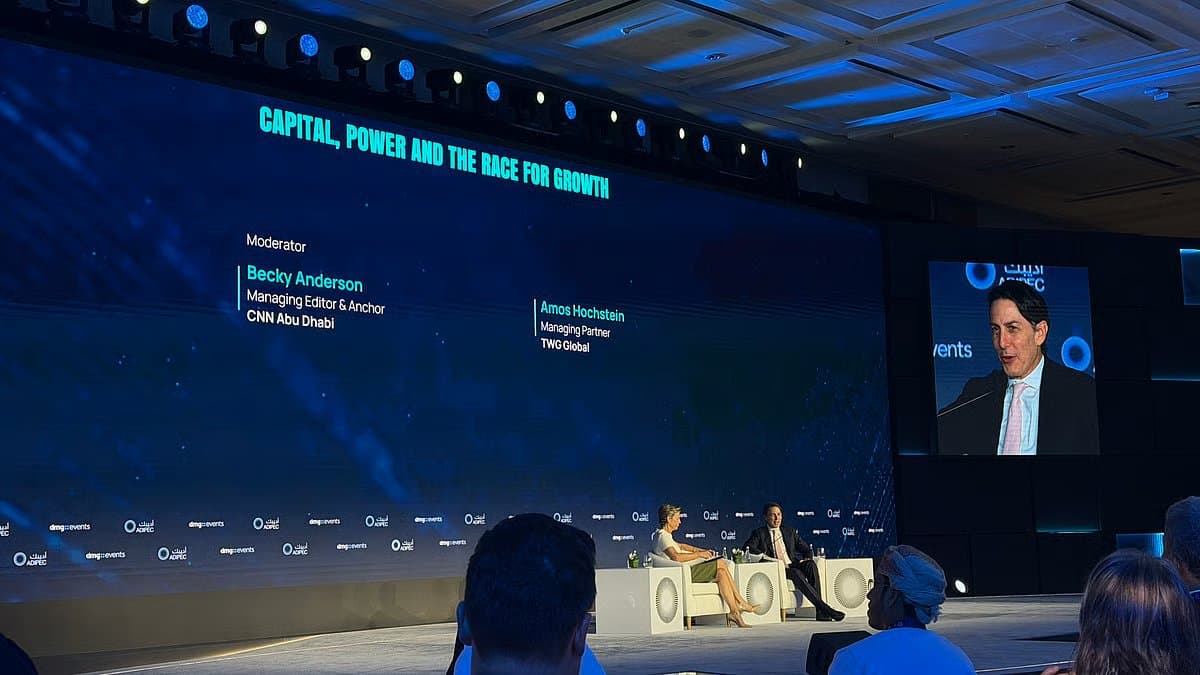
Former US energy envoy Amos Hochstein told ADIPEC 2026 in Abu Dhabi that the hardest part of powering artificial intelligence is getting electricity through the grid, not producing it, Khaleej Times reported.
Hochstein, now Managing Partner at TWG Global, was speaking in a session titled "Capital, Power and the Race for Growth". He warned that rising electricity bills in places with fast data centre growth could erode public support for AI investment.
That warning matches what is happening in the United States, where several Bay Area cities have recently paused data centre construction and the issue has entered midterm election races.
Hormuz Costs Have Not Gone Away
Hochstein said the disruption in the Strait of Hormuz has sharply raised the cost of moving energy. Transportation and insurance now account for more than 30 per cent of the cost of a barrel of oil, he said, compared with around 5 per cent before the conflict. ADNOC chief executive Dr Sultan Al Jaber gave a similar figure for logistics when he opened the conference.
Hochstein cautioned that tankers still moving through the strait did not mean trading conditions were back to normal. He pointed to tighter security requirements and the higher costs that come with them.
The UAE as an AI Partner
Hochstein called the UAE a critical partner for the United States in AI development and adoption, and credited the country with leading on new technologies. He said the region should keep building AI infrastructure while investing in physical protection, backup systems and operational resilience. Recent strikes on energy facilities across the Gulf have made that a practical concern for data centre operators and investors.
A Bigger Role for Governments
Hochstein urged governments to do more to finance strategic infrastructure, naming pipelines, electricity interconnections and alternative supply routes. He said public money could lower the risk of such projects and draw in private capital.
He also pointed to opportunities in data centres, advanced nuclear technology, small modular reactors and fusion energy. However, he warned that higher energy prices and interest rates could make large projects harder to finance.
Why It Matters
Hochstein's comments add to a theme heard throughout ADIPEC this week: energy, not chips, is becoming the bottleneck for AI expansion. Earlier, OpenAI chief executive Sam Altman named energy as the biggest constraint, and UAE Energy Minister Suhail Al Mazrouei said the country plans up to AED200 billion of energy investment by 2030 as AI raises demand.
For Gulf governments trying to attract hyperscale compute, Hochstein's point about grids and household bills is a reminder that building generation is not enough without the transmission to deliver it and public acceptance of the costs.
Sources
- khaleejtimes-english · Hormuz disruption drives up energy costs as AI fuels demand for electricity
Produced with AI assistance from the sources above. How we work
By
Nakoda News Desk
Nakoda News covers AI and business. Every story links the sources it draws on; how we work is set out in our editorial standards.
Related coverage
Policy Scott Wiener, Author of California's AI Safety Law, Wins Pelosi's House Seat
2 hours ago · 2 min read
Policy OpenAI's textGrain Watermark Weakens on Short or Edited Text, Raising EU Compliance Doubts
3 hours ago · 3 min read
- Policy

UAE Adds AI Categories to Government Excellence Award, Honouring Tax Authority's AI Chief
5 hours ago · 2 min read
Policy UAE Banks Federation Chief Flags AI-Driven Fraud and Cloud Concentration Risk
5 hours ago · 1 min read
Policy DIFC Courts Propose On-Chain Dispute Standard as DFSA Publishes Tokenisation Report
6 hours ago · 2 min read