Democrats Win Five State Attorney General Races, Including Texas, Raising Stakes for Big Tech
Nathan Johnson's win in Texas, along with results in Arizona, Michigan, Wisconsin and Nevada, could change who leads the state lawsuits that have become the main check on technology companies in the US.
By Nakoda News Desk
·3 min read
Prefer Nakoda News on Google
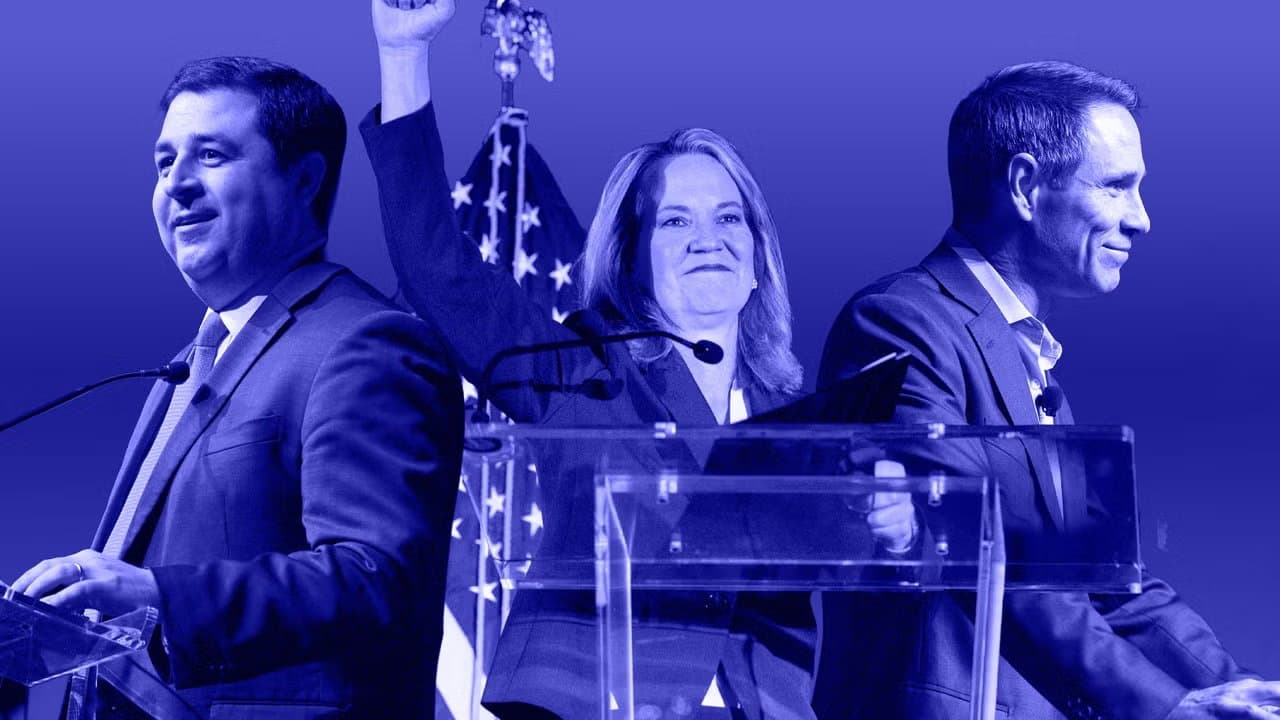
Democrats won five closely watched state attorney general races in Tuesday's US midterm elections, Fast Company reported. Lawyers who advise on state enforcement say the change in personnel could matter as much to the technology industry as the party's takeover of both chambers of Congress.
The biggest surprise came in Texas. Democrat Nathan Johnson defeated Republican Mayes Middleton and will become the state's first Democratic attorney general since 1994. In Arizona, incumbent Kris Mayes beat Republican Warren Petersen. Wisconsin's Josh Kaul won a third term. In Michigan, Eli Savit defeated Republican Doug Lloyd to succeed the term-limited Democrat Dana Nessel, and Democrat Nicole Cannizzaro won the open seat in Nevada.
Why State Prosecutors Matter
Congress has struggled to pass laws governing the technology sector, and state attorneys general have stepped into the gap. They use investigations and lawsuits to force changes to products and business practices, and those changes often apply nationwide. Stephen Cobb, vice chair of the state attorneys general practice at the law firm Foley & Lardner, told Fast Company that state attorneys general have become "the preeminent regulator and regulatory enforcer in the United States over the last 15 or 20 years."
Texas is the most consequential result. Its attorney general's office has long been one of the most influential Republican-led legal operations in the country and has often helped lead multistate lawsuits. Johnson has promised to move the office's focus to consumer protection and away from partisan fights. That could change the coalitions of states that bring cases against technology companies.
Arizona has taken part in many multistate actions against the industry. Michigan, according to Brandon J. Smith, a partner at the law firm Holtzman Vogel, has been "actively engaged in national consumer protection and technology matters." Smith said a new attorney general "can mean a significant change in enforcement priorities almost overnight, even without a single change in the underlying law."
State attorneys general do not need new AI-specific legislation to act. They can investigate technology companies under existing consumer protection, unfair and deceptive practices, and antitrust laws. "The technology industry sometimes underestimates just how much authority state attorneys general already possess," Smith said.
Scrutiny From Both Parties
The lawyers interviewed cautioned against reading the Democratic gains as a simple defeat for the industry. According to Smith, Republican attorneys general have generally focused on alleged censorship and consumer safety, and Democrats have put more weight on privacy and algorithmic discrimination. Both sides have become more aggressive. "Both parties increasingly view big tech as an industry requiring greater scrutiny," he said.
Children's online safety is one area where pressure has come from both parties. Josh Golin, executive director of the children's advocacy group Fairplay, pointed to state investigations and lawsuits involving Meta, TikTok, Snap, Discord and Roblox. He said these cases helped push the companies to change their products and add safety features, and he expects the scrutiny to continue whichever party holds office.
Industry groups are watching closely. K.J. Bagchi, vice president of US policy and government relations at the Chamber of Progress, a technology trade association, said attorneys general have shown that action by a single state can change how a national product works. He argued that this kind of enforcement has grown partly because legislatures have failed to act. "I would warn against a model where litigation is a substitute for legislation," he said.
The results add to the pressure on technology companies after an election in which Democrats won control of the House and Senate. For AI developers and the platforms building on their models, much of the practical oversight in the coming years may come from state capitals, through investigations and consent decrees, rather than from federal law.
Sources
- Fast Company · The biggest tech story of the midterms might be Democrats’ attorney general wins
Produced with AI assistance from the sources above. How we work
By
Nakoda News Desk
Nakoda News covers AI and business. Every story links the sources it draws on; how we work is set out in our editorial standards.
Related coverage
Policy Scott Wiener, Author of California's AI Safety Law, Wins Pelosi's House Seat
2 hours ago · 2 min read
Policy OpenAI's textGrain Watermark Weakens on Short or Edited Text, Raising EU Compliance Doubts
3 hours ago · 3 min read
- Policy

UAE Adds AI Categories to Government Excellence Award, Honouring Tax Authority's AI Chief
5 hours ago · 2 min read
Policy UAE Banks Federation Chief Flags AI-Driven Fraud and Cloud Concentration Risk
5 hours ago · 1 min read
Policy DIFC Courts Propose On-Chain Dispute Standard as DFSA Publishes Tokenisation Report
6 hours ago · 2 min read