Data Centre Curbs and Energy Prices Put the AI Build-Out on the US Midterm Ballot
Data Center Watch found that 32.4% of Democratic candidates back moratoriums on new data centres, against 3.4% of Republicans, and dozens of local ballot measures would add new restrictions.
By Nakoda News Desk
·3 min read
Prefer Nakoda News on Google
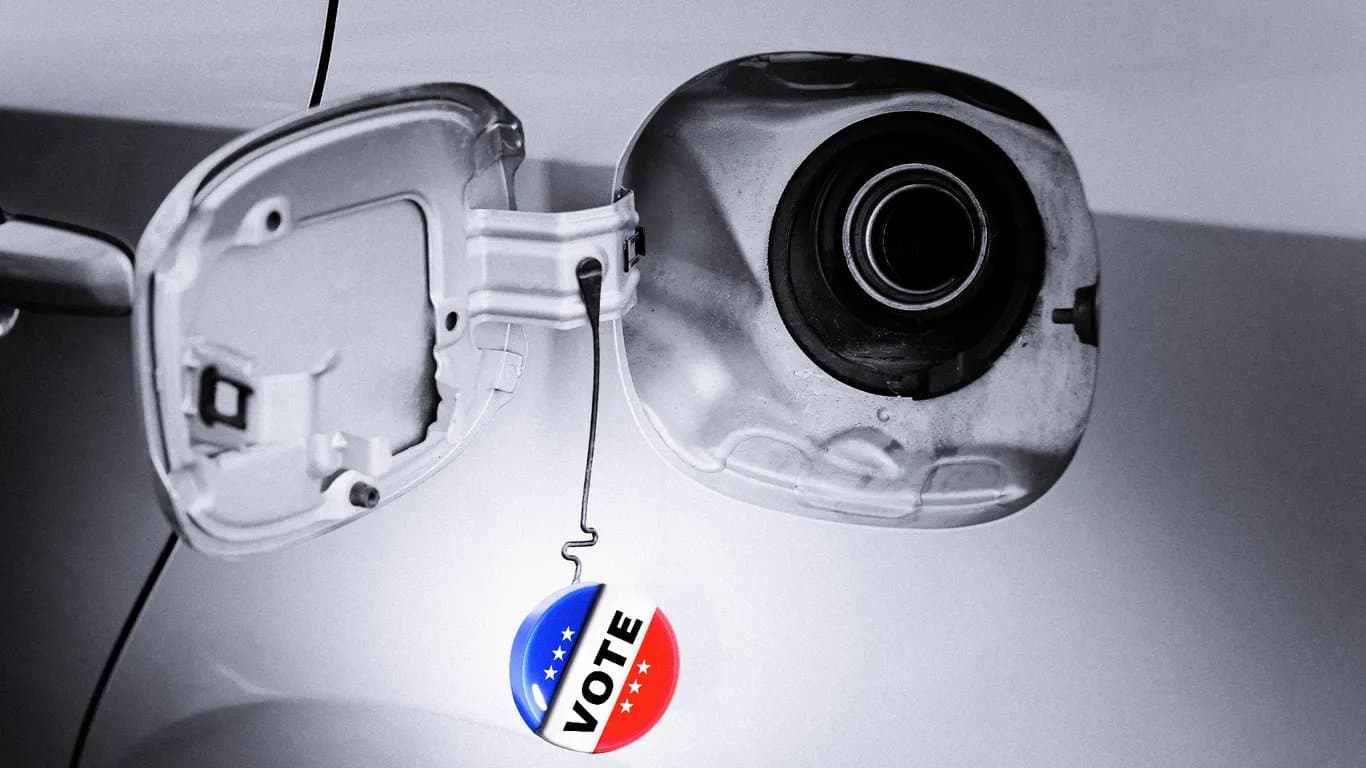
Voters in the US go to the polls today in midterm elections that energy analysts say will test how far rising power bills and the rapid spread of data centres have turned against the AI industry's build-out.
Axios reports that the parties have split sharply on the issue, although neither side's candidates are especially keen on data centres. According to Data Center Watch, which tracked hundreds of races, 32.4% of Democratic candidates support moratoriums on data centres at the federal, state or local level, compared with 3.4% of Republican candidates.
The question is also on the ballot directly. Axios says Ballotpedia is tracking dozens of ballot measures on data centres, many of which would impose new restrictions, and it names Ohio as a hot spot.
A Referendum on Power Bills
In a Semafor newsletter, the outlet's energy editor wrote that the election tests how much voters will punish the president for high gasoline and electricity prices. He wrote that in many key congressional battlegrounds, AI-linked increases in household power bills are a central point of tension. That makes the vote "a kind of referendum on how hard to hit the brakes on data center development," he wrote.
The newsletter also cited a Financial Times analysis showing that the average gasoline price during President Donald Trump's first two years back in office is the highest ever recorded at the halfway point of a presidency. The war with Iran has pushed fuel costs higher, and the US struck Iran's Qeshm Island in the latest round of targeted attacks.
Permitting and the Next Congress
The result will also shape a bipartisan permitting deal now before Congress. That deal matters to developers trying to connect new generation and transmission to meet data centre demand. If Democrats win both chambers, "leaders might opt to wait until they hold the gavels next year to renegotiate compromises," the research firm ClearView Energy Partners said in a note quoted by Axios. ClearView added that if Trump and his allies contest close results, "weeks of post-election skirmishing could complicate passage of any bill." Axios noted that backers of the current bill doubt that Democrats could pass a more liberal version through the Senate or get it signed by Trump.
Semafor said a Democratic majority in either chamber would bring investigations of the administration's energy decisions, including its pullback from offshore wind leases. Budget fights would also reopen the argument over tax incentives for electric vehicles and other clean technology. Senate Democratic leader Chuck Schumer has pledged to restore the clean energy tax credits that the 2025 Republican budget law eliminated, Axios reported. It added that nuclear power and geothermal energy are among the few areas where the parties might find common ground.
Regulators Who Set the Price of Power
Some of the most direct effects on data centre economics may come from state contests rather than Congress. Several states are electing utility regulators, who have strong influence over electricity prices and grid planning. In Georgia, two Democratic wins would flip party control of the Public Service Commission for the first time in decades, Axios said. Governors' races also matter. In Texas, oil and gas interests favour Republican incumbent Greg Abbott in what Axios called a surprisingly tight race against Gina Hinojosa.
Why It Matters
For technology companies and the investors funding the build-out, including Gulf sovereign funds that are putting money into US AI infrastructure, today's results will show whether local resistance to data centres is turning into a lasting political force. Grid access, permitting speed and the cost of power have become central to where AI capacity gets built. Both outlets note that state and local officials, more than Washington, will decide how much pressure to put on technology companies over their power demand.
Sources
Produced with AI assistance from the sources above. How we work
By
Nakoda News Desk
Nakoda News covers AI and business. Every story links the sources it draws on; how we work is set out in our editorial standards.
Related coverage
Policy Scott Wiener, Author of California's AI Safety Law, Wins Pelosi's House Seat
2 hours ago · 2 min read
Policy OpenAI's textGrain Watermark Weakens on Short or Edited Text, Raising EU Compliance Doubts
3 hours ago · 3 min read
- Policy

UAE Adds AI Categories to Government Excellence Award, Honouring Tax Authority's AI Chief
5 hours ago · 2 min read
Policy UAE Banks Federation Chief Flags AI-Driven Fraud and Cloud Concentration Risk
5 hours ago · 1 min read
Policy DIFC Courts Propose On-Chain Dispute Standard as DFSA Publishes Tokenisation Report
6 hours ago · 2 min read