Bosch to Create a Dedicated Semiconductor Division From January 2028
The German supplier is aiming for about €5 billion in annual chip sales by 2030 and plans to make chips for outside customers, including suppliers to AI data centres and robot makers.
By Nakoda News Desk
·2 min read
Prefer Nakoda News on Google
Bosch will move its semiconductor business into a separate division called Semiconductors from January 1, 2028, the German engineering group said on Tuesday. It is targeting annual chip sales of about €5 billion by 2030.
The chip business currently sits with Mobility Electronics, the division that makes electronic control units for vehicles. Under the new structure it will still belong to Bosch's Mobility business sector, but it will run separately from Mobility Electronics, which will concentrate on control units and power electronics, electrive.com reported. The Semiconductors division will cover the development, manufacturing and sale of microchips and sensors.
Reuters-based reports described the move as a spin-off. Coverage drawing on Bosch's own announcement, including The Next Web, said the unit stays inside Bosch and is not becoming a separate company.
New Customers and Markets
Bosch said it would open its manufacturing capacity to external companies and build up a foundry business, making chips for other firms under contract. Beyond its existing markets in cars, smartphones and household appliances, it is aiming at industrial automation, control systems for humanoid robots and components for AI data centres.
Erik Rein, who runs Bosch's semiconductor business, pointed to the company's "market and technology leadership in MEMS sensor technology" as a key strength, according to electrive.com. He also named silicon carbide chips and application-specific integrated circuits as areas to expand. "With the founding of a dedicated unit, we are opening a new chapter in our more than 60-year semiconductor history," Rein said, as quoted by The Next Web.
Markus Heyn, deputy chairman of the board of management of Robert Bosch GmbH and chairman of Bosch Mobility, said: "Semiconductors are the linchpin of our connected world and a key success factor for all of Bosch's business fields."
The Manufacturing Footprint
Bosch has about 40 semiconductor sites worldwide, according to the reports. It has invested about €3 billion in its wafer plants in Dresden and Reutlingen in Germany, and about $2 billion in converting its plant in Roseville, California, to silicon carbide production. It is also expanding its test site in Penang, Malaysia, with that work running into the mid-2030s. Bosch also holds a 10% stake in ESMC, the TSMC-led joint venture building a chip factory in Dresden.
Why It Matters
The move comes after chip supply problems hit Europe's car industry again, including shortages during the Nexperia dispute this autumn, The Next Web noted. A large European manufacturer offering contract capacity to outside customers could widen the region's chip supply options, though Bosch has not said how much of its capacity it will make available or when.
For investors and buyers of industrial technology, the bigger change is where Bosch wants to sell. Chip suppliers with automotive roots are looking for growth in demand tied to AI infrastructure and automation, as car electronics demand has become harder to predict. Bosch's MEMS sensors and power chips are already used in phones and robots. Giving the unit its own structure and a revenue target suggests Bosch wants to compete for that business more directly. Bosch has not said what its semiconductor sales are today.
Sources
- Reuters · Bosch to create semiconductor division from January 2028
- electrive.com · Bosch to restructure semiconductor business from 2028
- The Next Web · Bosch gives chips their own division, eyeing €5bn in sales by 2030
Produced with AI assistance from the sources above. How we work
By
Nakoda News Desk
Nakoda News covers AI and business. Every story links the sources it draws on; how we work is set out in our editorial standards.
Related coverage
Companies Qatar's Qai Joins Brookfield and Drax on UK AI Data Centre Brookfield Says Could Top £20 Billion
1 hour ago · 2 min read
Companies India Overtakes US as ChatGPT's Largest Market, OpenAI India Chief Says
2 hours ago · 3 min read
- Companies
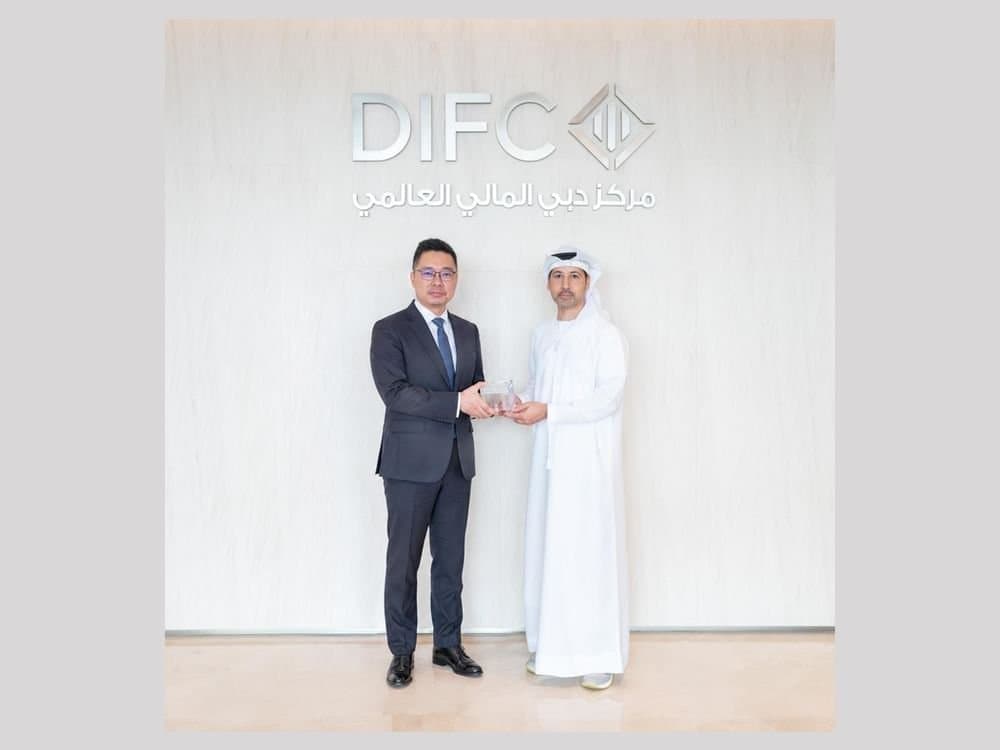
Lianlian DigiTech Opens DIFC Office to Expand Cross-Border Payments and Treasury Services
2 hours ago · 2 min read
Companies Empower Nine-Month Profit Rises 10.6% to Dh762 Million as Cooling Capacity Grows
2 hours ago · 2 min read
Companies Shield AI to Buy Radar Maker Echodyne for $5.3 Billion at $28.8 Billion Valuation
2 hours ago · 1 min read