AI-Generated 'Slopaganda' Spreads Through US Midterm Ads as Platforms Lean on Labels
The Wesleyan Media Project counts more than $187 million spent on nearly 300 AI-generated or AI-enhanced ads, and no federal bill on deceptive AI in elections has yet cleared committee.
By Nakoda News Desk
·2 min read
Prefer Nakoda News on Google
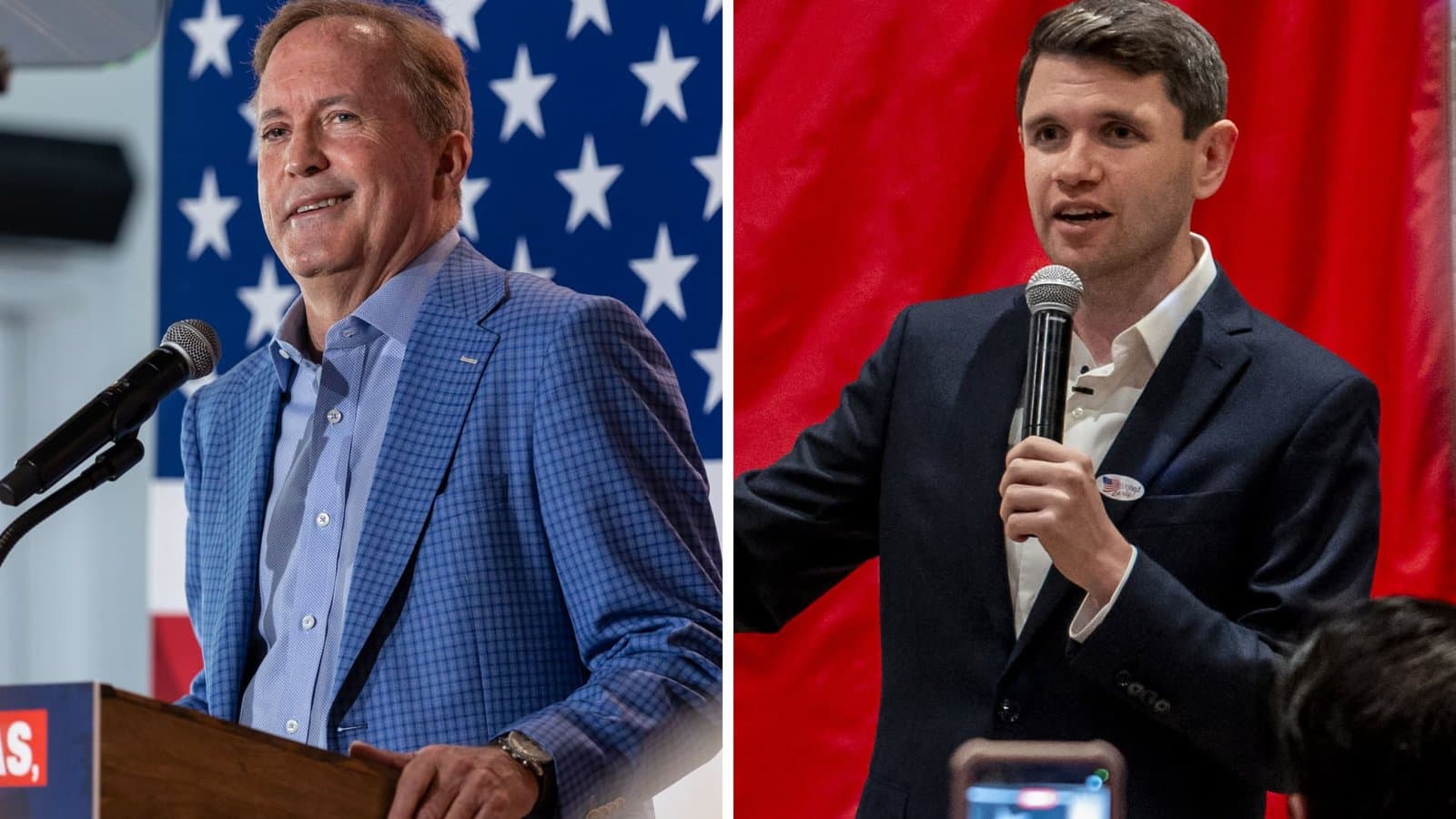
Political ads built with generative AI have become a fixture of the US midterm campaign, CNBC reports, testing how Meta, Google and X police content that often runs without any disclosure.
The term "slopaganda" was coined early last year by a group of AI experts in a paper describing a mix of low-quality generative AI output, propaganda and misinformation. On election day it describes a large share of campaign advertising.
An analysis published last week by the Wesleyan Media Project found more than $187 million spent on nearly 300 ads that were generated or enhanced by AI. The group says that is almost certainly an undercount, because many such ads carry no disclaimer. More than 90% of the spending came from Republican candidates, a Republican party committee or Republican-leaning groups, and most of those ads included no disclosure, according to the report.
CNBC said it found several AI-generated ads running online without disclosures. They include a fake video of New York Governor Kathy Hochul, a Democrat, posted by her Republican challenger Bruce Blakeman. In Texas, Republican Senate candidate Ken Paxton made an AI-generated video showing his Democratic opponent James Talarico making controversial statements, with a three-second disclosure in the middle, and his campaign is sharing it as organic content on YouTube and X. Neither campaign immediately responded to CNBC's requests for comment.
How the Platforms Respond
The three largest platforms handle the problem differently. YouTube told CNBC it applies "prominent labels to realistic AI content", that candidates can request removal of organic videos in which their face appears altered or generated by AI, and that election advertisers must disclose synthetic or digitally altered people or events. Google also requires political advertisers to complete a verification process and carry "paid for by" disclosures.
X says advertisers must comply with applicable laws, which puts the responsibility on them rather than on the platform. It did not respond to CNBC's request for comment. Meta pointed to its political ad rules, including restrictions in the week before an election, mandatory "paid for by" labels and its public ad library. In June it added an "about this ad" tool for ads it detects were made with third-party AI tools.
The AI model developers face a related problem. In August, a Brennan Center for Justice study tested ChatGPT, Gemini, Grok, Claude, Perplexity and DeepSeek and found that while many avoided content about familiar conspiracies, they could generally be manipulated into producing misleading material. In an October retest, ChatGPT had improved, turning prompts for harmful election images into comic-style illustrations or refusing them outright.
A Patchwork of Rules
There is no comprehensive federal law on the use or disclosure of AI in political advertising. Around 30 state laws set different requirements, and candidates do not always follow them, CNBC notes. In Congress, the bipartisan Protect Elections from Deceptive AI Act would ban knowingly distributing materially deceptive AI-generated video or audio about federal candidates, and the Democrat-led AI Ads Act would extend existing bans on campaign misrepresentation to generative AI content. None of the proposed bills has advanced out of committee.
For platforms, advertisers and AI developers, the midterms are the first large-scale test of how far voluntary labelling and a patchwork of state rules can go without federal rules, and how much of the job of policing AI content will fall on the companies themselves. The episode follows other research this week showing mainstream chatbots frequently getting midterm election facts wrong.
Sources
- CNBC · AI-generated 'slopaganda' in political ads puts internet platforms on alert
Produced with AI assistance from the sources above. How we work
By
Nakoda News Desk
Nakoda News covers AI and business. Every story links the sources it draws on; how we work is set out in our editorial standards.
Related coverage
Policy Scott Wiener, Author of California's AI Safety Law, Wins Pelosi's House Seat
2 hours ago · 2 min read
Policy OpenAI's textGrain Watermark Weakens on Short or Edited Text, Raising EU Compliance Doubts
3 hours ago · 3 min read
- Policy
UAE Adds AI Categories to Government Excellence Award, Honouring Tax Authority's AI Chief
5 hours ago · 2 min read
Policy UAE Banks Federation Chief Flags AI-Driven Fraud and Cloud Concentration Risk
5 hours ago · 1 min read
Policy DIFC Courts Propose On-Chain Dispute Standard as DFSA Publishes Tokenisation Report
6 hours ago · 2 min read